How to use this calculator
Evaluate process spread and distance from an engineering target with the Cpm capability index.
- Enter Process mean (x̄), Process standard deviation (s), Engineering target (T), Lower specification limit (LSL), then complete the remaining labeled fields. Match the units shown beside each field and review the result together with the assumptions below.
- Read the worked example below to check the expected input format and result.
- Compare another scenario by changing one input at a time. Use Reset to return to the starting values.
How this calculation works
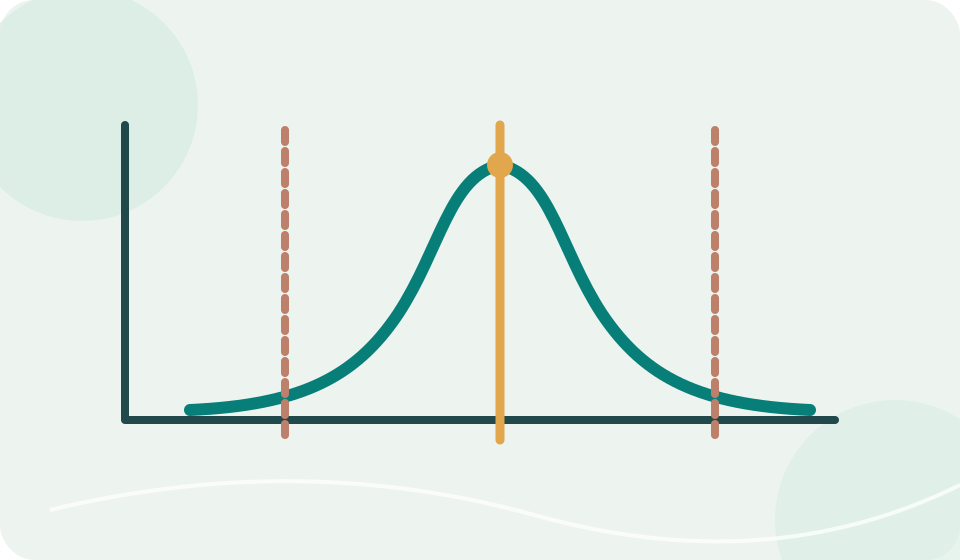
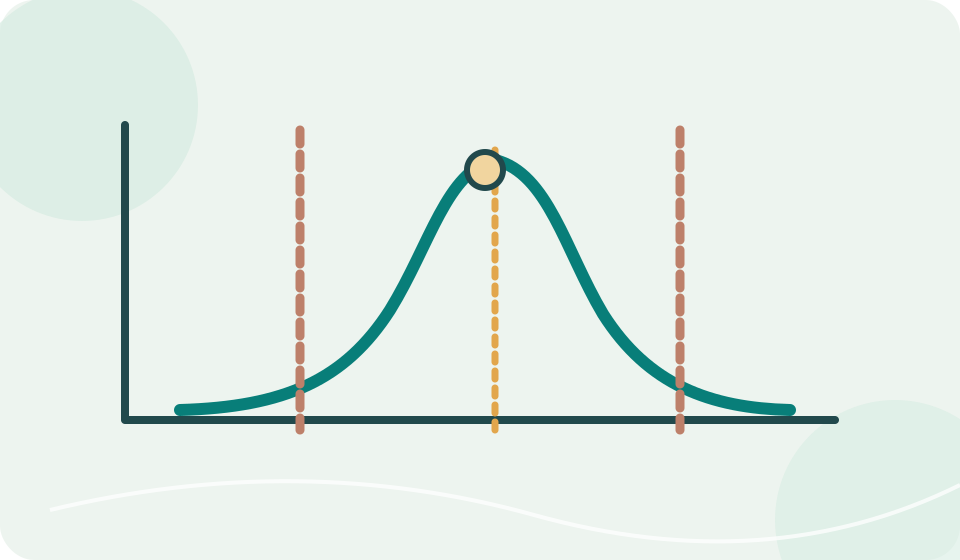
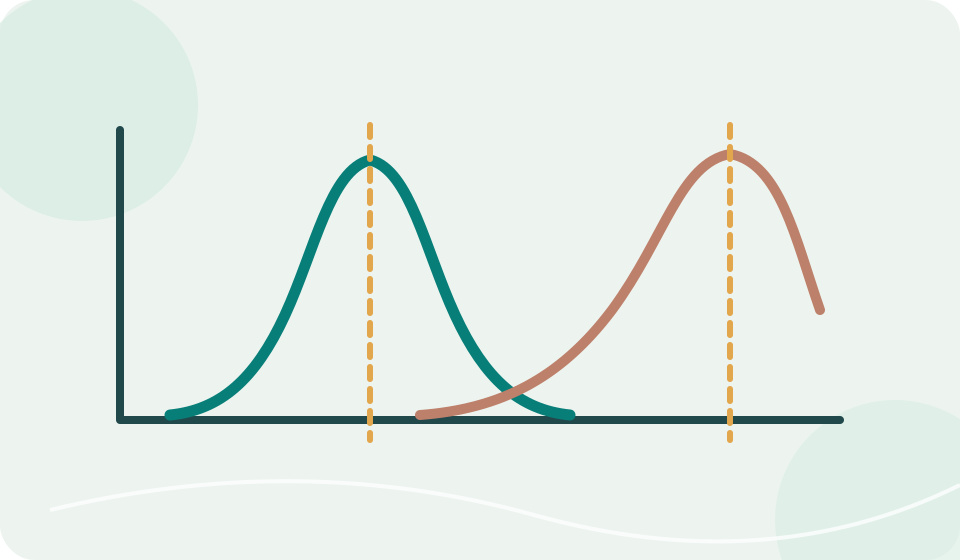
Cpm treats departure from the target as part of process variation. This distinguishes it from Cp, which considers spread alone, and Cpk, which measures the nearest specification distance from the process mean.
Inputs and units
mean— Process mean (x̄)- Average observed process measurement in your chosen unit.
sd— Process standard deviation (s)- Standard deviation in the same unit as the limits and target; must be positive.
target— Engineering target (T)- Desired nominal value within the specification range.
lsl— Lower specification limit (LSL)- Minimum acceptable measured value.
usl— Upper specification limit (USL)- Maximum acceptable measured value.
Formula
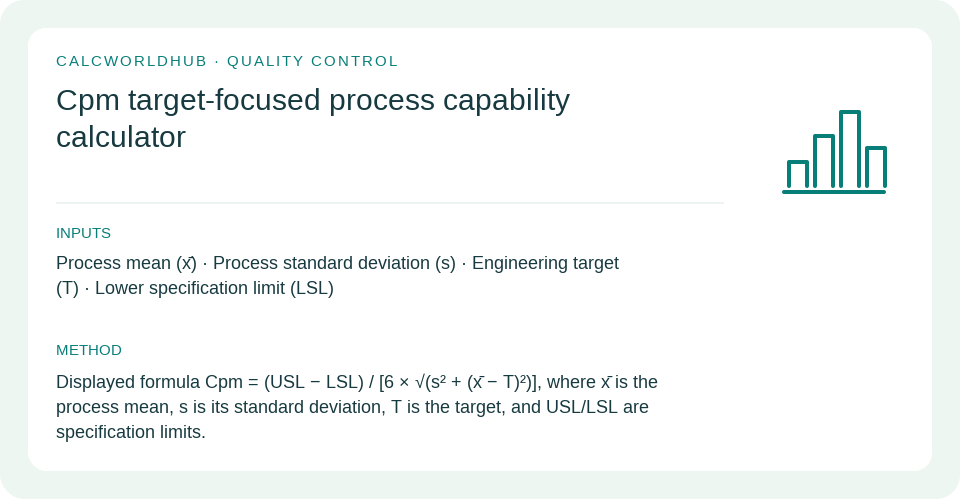
Cpm = (USL − LSL) / [6 × √(s² + (x̄ − T)²)], where x̄ is the process mean, s is its standard deviation, T is the target, and USL/LSL are specification limits.
Method
Enter the process mean, standard deviation, target, and lower and upper specification limits in the same measurement unit. The index has no units; a lower value reflects larger spread, target offset, or both.
Worked example
For LSL 9.80, USL 10.20, target 10.00, mean 10.05, and standard deviation 0.04, Cpm is 0.4 ÷ [6√(0.04²+0.05²)] ≈ 1.0412.
Assumptions and limits
Uses the sample mean and standard deviation as summary inputs and assumes they represent a stable process. It does not test normality, estimate confidence intervals, or determine whether the process is in statistical control. Capability interpretation depends on the application and customer requirements.
Frequently asked questions
How is Cpm different from Cpk?
Cpk uses the mean's distance to the nearest specification limit; Cpm includes squared distance from the engineering target in its denominator.
Can Cpm be higher than Cp?
No. When target offset is nonzero, Cpm is below Cp for the same spread and specification width; they are equal when the mean is on target.
Does this calculator decide whether my process is capable?
It reports indices only. A capability decision needs a stable process, suitable data, and application-specific acceptance criteria.
Do all measurements need the same unit?
Yes. Mean, standard deviation, target, and limits must use one consistent unit.
How do I use the Cpm target-focused process capability calculator?
Enter Process mean (x̄), Process standard deviation (s), Engineering target (T), Lower specification limit (LSL), then complete the remaining labeled fields. Match the units shown beside each field and review the result together with the assumptions below.
Reference: NIST reference for the Cpm process capability index. See our calculation methodology.