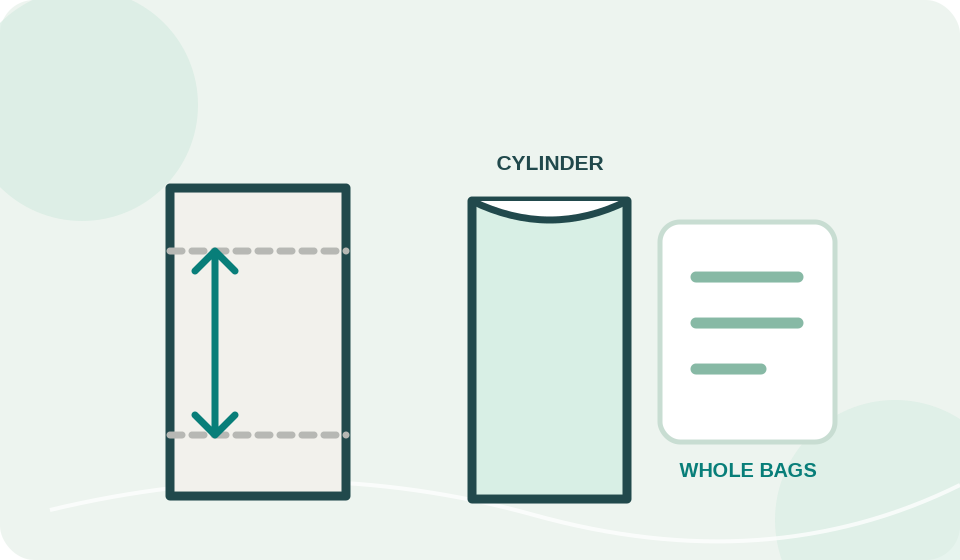

Measure each pier as a cylinder
Enter the number of identical piers, the finished concrete diameter in inches, and the concrete depth in inches. The formula converts diameter to a radius in feet by dividing by 24 and depth to feet by dividing by 12. One pier has volume π × radius² × depth; multiplying by the count gives total geometric volume in cubic feet. Measure the concrete body, not a loose excavation that includes soil overbreak.
The cylinder model assumes straight sides and a uniform diameter from top to bottom. Bell-shaped bases, flared holes, irregular rock pockets, tube forms with different dimensions, and a separate pad are not represented. Split non-identical pier sizes into separate calculations and add their volumes. If the structural plan specifies a base or reinforcement cage, follow that plan; this page estimates quantity only.
Convert geometric volume into bags
The calculator multiplies total pier volume by one plus the entered allowance percentage, then divides by yield per bag. It rounds the bag requirement upward to a whole number because a purchasing count cannot be a fraction of a package. Bag yield is an input, not a universal property of an 80 lb or 60 lb bag. QUIKRETE’s Concrete Mix data sheet, for example, reports approximately 0.60 cubic feet for an 80 lb bag and different yields for other sizes.
Use the yield printed for the exact product and package you will buy. Products can use different aggregate blends, bag weights, and coverage statements. The calculator separately reports the geometric pier volume, adjusted order volume, and whole bags so you can see whether the rounding step—not the shape calculation—accounts for the difference between a theoretical amount and a purchase count.
Choose a reasonable allowance
The allowance can account for small measuring differences, handling, and variation in holes, but it should not hide a poor measurement. If pier diameters vary, measure groups separately. If the hole is oversized or flared, estimate the extra shape rather than assuming a generic waste percentage will cover it. A ten percent input raises the order volume by ten percent before the bag count is rounded upward.
Check the delivered product’s directions for mixing water, placement depth, and suitability for the planned use. A bag yield is a volume statement, not a claim that the mix is appropriate for a specific load, soil condition, or foundation. Order in package increments and consider storage, return policy, and whether the material must be used promptly after mixing.
Separate material planning from foundation design
The output does not size a pier, identify frost depth, assess soil bearing, select reinforcement, set post connections, or verify local permit rules. Those require project-specific design and local requirements. A cylindrical volume can be arithmetically correct while the dimensions are wrong for a structural purpose. Confirm the approved plan, including the required bearing area and depth, before treating a quantity estimate as a construction instruction.
For procurement, keep a short record of pier count, measured dimensions, selected bag yield, allowance, and the package label. If the number of bags seems unexpectedly high, verify the diameter first: cylinder volume grows with the square of radius, so increasing diameter has a larger effect than increasing depth by the same percentage. Recheck inches-versus-feet conversions before changing the allowance to force a preferred total.
Worked examples
Both examples use straight cylindrical piers. Each bag count rounds upward after the allowance-adjusted volume is divided by the package yield.
Eight deck piers
Inputs: 8 piers, 12 in diameter, 30 in deep, 0.60 ft³ per bag, 10% allowance
Calculation: 8 × π × 0.5² × 2.5 = 15.707963 ft³; × 1.10 = 17.278759 ft³; ceil(17.278759 ÷ 0.60) = 29 bags
The geometric volume is about 15.708 ft³. With the entered margin, 29 bags are needed at the stated 0.60 ft³ yield. Use the package’s current yield and verify the pier design separately.
Four narrower garden-wall piers
Inputs: 4 piers, 10 in diameter, 32 in deep, 0.45 ft³ per bag, 5% allowance
Calculation: 4 × π × (10/24)² × (32/12) = 5.817764 ft³; × 1.05 = 6.108652 ft³; ceil(6.108652 ÷ 0.45) = 14 bags
At the selected product yield, the order rounds to 14 bags. The small unused remainder after whole-bag rounding is a package constraint, not extra geometric pier volume.
