How to use this calculator
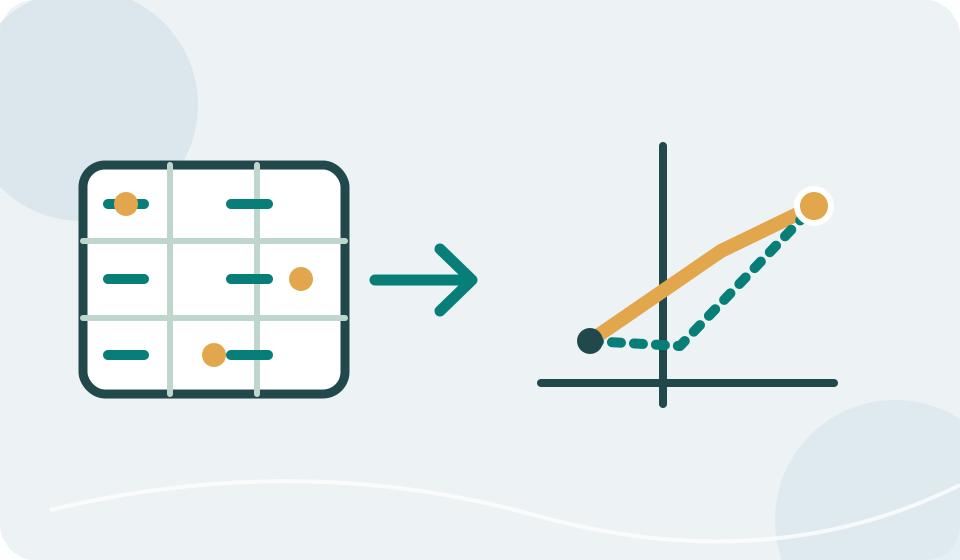
Multiply a 3×3 matrix by a 3D vector to produce a transformed vector in the same coordinate basis.
- Enter A₁₁, A₁₂, A₁₃, A₂₁, then complete the remaining labeled fields. Match the units shown beside each field and review the result together with the assumptions below.
- Read the worked example below to check the expected input format and result.
- Compare another scenario by changing one input at a time. Use Reset to return to the starting values.
How 3×3 matrix-vector transform calculator works
Multiply a 3×3 matrix by a 3D vector to produce a transformed vector in the same coordinate basis.
Inputs and units
- A₁₁: Matrix A row 1, column 1 coefficient multiplying x₁ in output y₁.
- A₁₂: Matrix A row 1, column 2 coefficient multiplying x₂ in y₁.
- A₁₃: Matrix A row 1, column 3 coefficient multiplying x₃ in y₁.
- A₂₁: Matrix A row 2, column 1 coefficient multiplying x₁ in output y₂.
- A₂₂: Matrix A row 2, column 2 coefficient multiplying x₂ in y₂.
- A₂₃: Matrix A row 2, column 3 coefficient multiplying x₃ in y₂.
- A₃₁: Matrix A row 3, column 1 coefficient multiplying x₁ in output y₃.
- A₃₂: Matrix A row 3, column 2 coefficient multiplying x₂ in y₃.
- A₃₃: Matrix A row 3, column 3 coefficient multiplying x₃ in y₃.
- Vector x₁: First component x₁ of the input vector.
- Vector x₂: Second component x₂ of the input vector.
- Vector x₃: Third component x₃ of the input vector.
Formula and method
y = A x; yᵢ = Σⱼ Aᵢⱼxⱼ
Worked example
For A=[[1,2,0],[0,1,−1],[2,0,1]] and x=(1,2,3), Ax=(5,−1,5).
Interpreting the result
Each output component is one row of A dotted with the input vector. The identity matrix leaves the vector unchanged; other matrices can rotate, scale, shear, or combine coordinates.
Assumptions and limits
Matrix rows, vector components, and coordinate conventions must be compatible. The transform may change length or orientation and need not be invertible.
Frequently asked questions
How is each output component calculated?
Take one matrix row, multiply its entries by the matching vector components, and add the three products.
Does every matrix have an inverse?
No. A singular matrix can transform different inputs to the same output, but matrix-vector multiplication still works.
How do I use the 3×3 matrix-vector transform calculator?
Enter A₁₁, A₁₂, A₁₃, A₂₁, then complete the remaining labeled fields. Match the units shown beside each field and review the result together with the assumptions below.
What is a worked example of 3×3 matrix-vector transform?
For A=[[1,2,0],[0,1,−1],[2,0,1]] and x=(1,2,3), Ax=(5,−1,5).
What does the 3×3 matrix-vector transform calculator calculate?
Multiply a 3×3 matrix by a 3D vector to produce a transformed vector in the same coordinate basis.