3D vector cross product calculator
Compute the oriented vector perpendicular to two 3D inputs using the right-hand rule.
How to use this calculator
Compute the oriented vector perpendicular to two 3D inputs using the right-hand rule.
- Enter uₓ, uᵧ, u_z, vₓ, then complete the remaining labeled fields. Match the units shown beside each field and review the result together with the assumptions below.
- Read the worked example below to check the expected input format and result.
- Compare another scenario by changing one input at a time. Use Reset to return to the starting values.
How the 3D vector cross product calculator works
Compute the oriented vector perpendicular to two 3D inputs using the right-hand rule.
Inputs and units
- uₓ: uₓ is a signed coordinate component; use the same coordinate units throughout the vectors.
- uᵧ: uᵧ is a signed coordinate component; use the same coordinate units throughout the vectors.
- u_z: u_z is a signed coordinate component; use the same coordinate units throughout the vectors.
- vₓ: vₓ is a signed coordinate component; use the same coordinate units throughout the vectors.
- vᵧ: vᵧ is a signed coordinate component; use the same coordinate units throughout the vectors.
- v_z: v_z is a signed coordinate component; use the same coordinate units throughout the vectors.
Formula and method
u×v = (uᵧv_z−u_zvᵧ, u_zvₓ−uₓv_z, uₓvᵧ−uᵧvₓ)
Worked example
For u=(1,0,0) and v=(0,1,0), u×v=(0,0,1). Swapping the inputs reverses the sign.
Interpreting the result
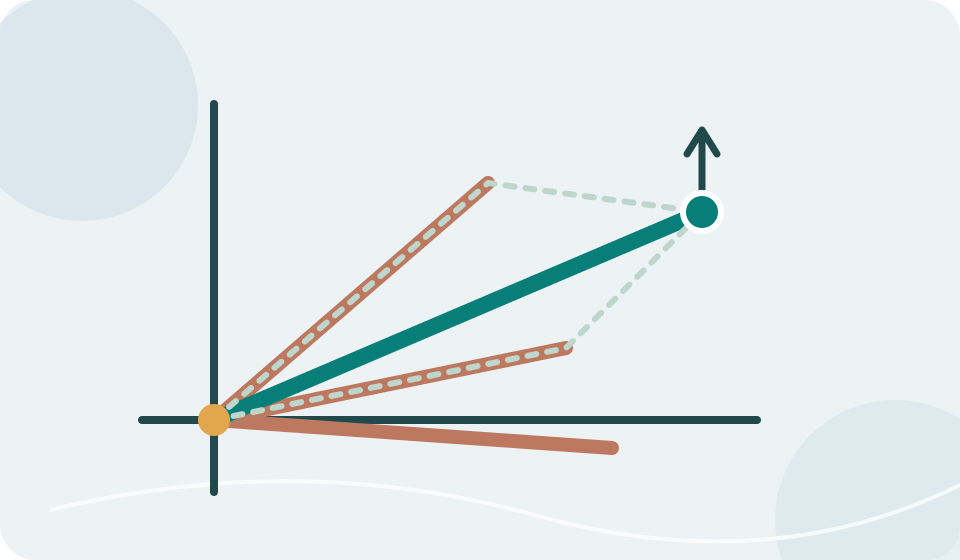
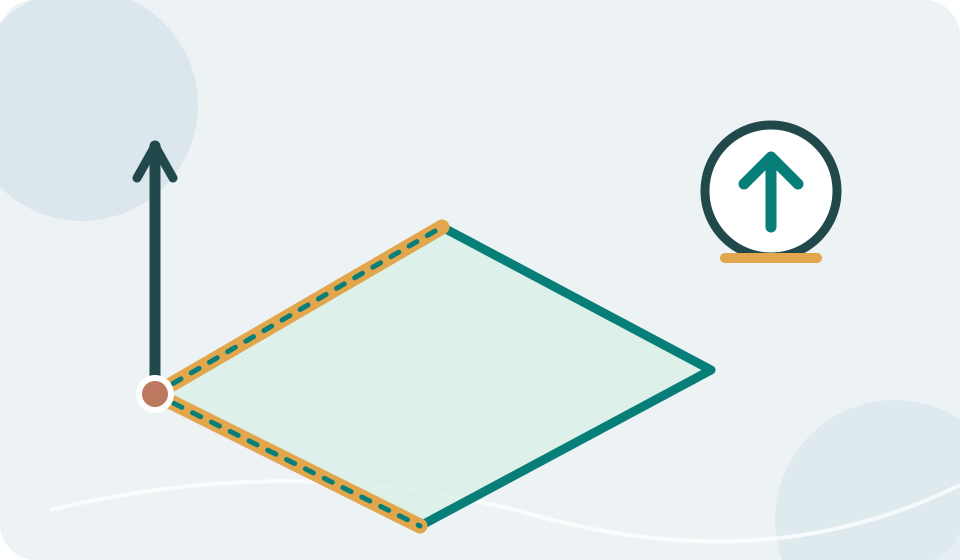
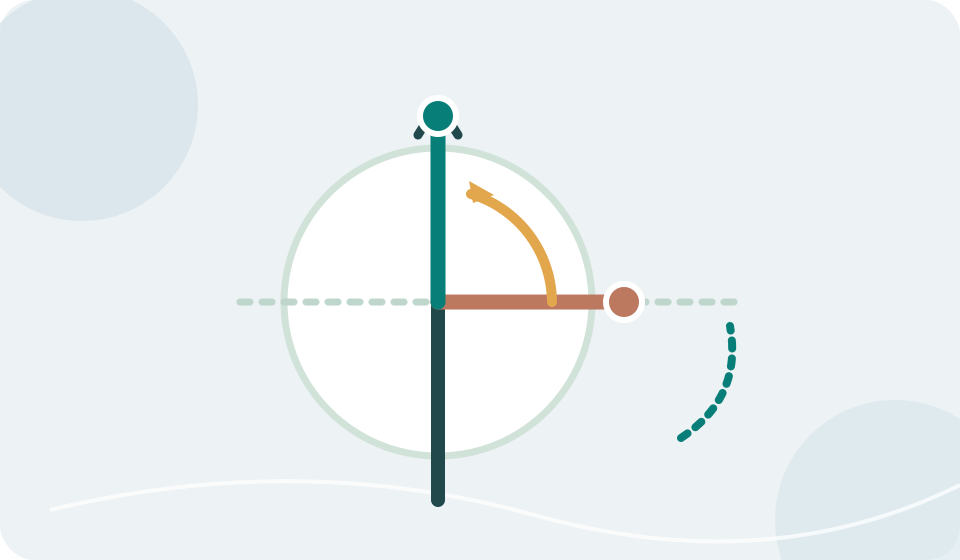
The result is perpendicular to both inputs. Its length is the parallelogram area; its direction follows the right-hand rule.
Assumptions and limits
Coordinates must share a frame and units. Parallel vectors give the zero vector, which has no unique perpendicular direction.
Frequently asked questions
What changes if I swap u and v?
The result changes sign: v×u=−(u×v).
Can the cross product be the zero vector?
Yes. This occurs for parallel inputs or when either vector is zero.
How do I use the 3D vector cross product calculator?
Enter uₓ, uᵧ, u_z, vₓ, then complete the remaining labeled fields. Match the units shown beside each field and review the result together with the assumptions below.
What is a worked example of 3D vector cross product?
For u=(1,0,0) and v=(0,1,0), u×v=(0,0,1). Swapping the inputs reverses the sign.
What does the 3D vector cross product calculator calculate?
Compute the oriented vector perpendicular to two 3D inputs using the right-hand rule.
See the calculation methodology.