Triangle exradius calculator
Calculate the exradius opposite side a using Heron’s area and the triangle’s semiperimeter.
Calculator
How to use this calculator
Calculate the exradius opposite side a using Heron’s area and the triangle’s semiperimeter.
- Enter Side length a, Side length b, Side length c. Match the units shown beside each field and review the result together with the assumptions below.
- Read the worked example below to check the expected input format and result.
- Compare another scenario by changing one input at a time. Use Reset to return to the starting values.
Triangle exradius calculator
Calculate the exradius opposite side a using Heron’s area and the triangle’s semiperimeter.
Inputs and units
- Side length a: One side of the triangle in a shared length unit; the three sides must form a nondegenerate triangle.
- Side length b: One side of the triangle in a shared length unit; the three sides must form a nondegenerate triangle.
- Side length c: One side of the triangle in a shared length unit; the three sides must form a nondegenerate triangle.
Formula and method
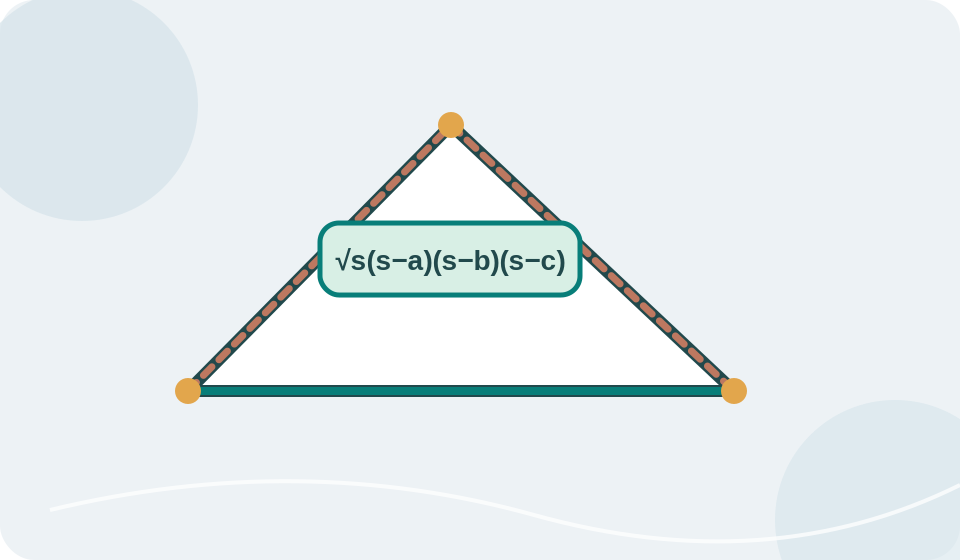
rₐ=K/(s−a), s=(a+b+c)/2
Worked example
For sides 5, 6, 7, s=9, K=√(9×4×3×2)=√216≈14.6969, so rₐ≈14.6969/(9−5)=3.6742.
Interpreting the result
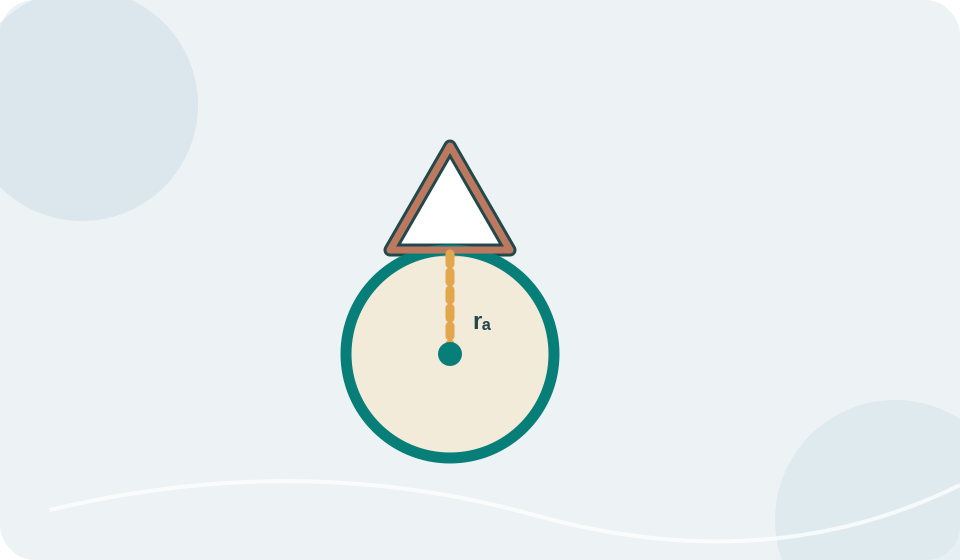
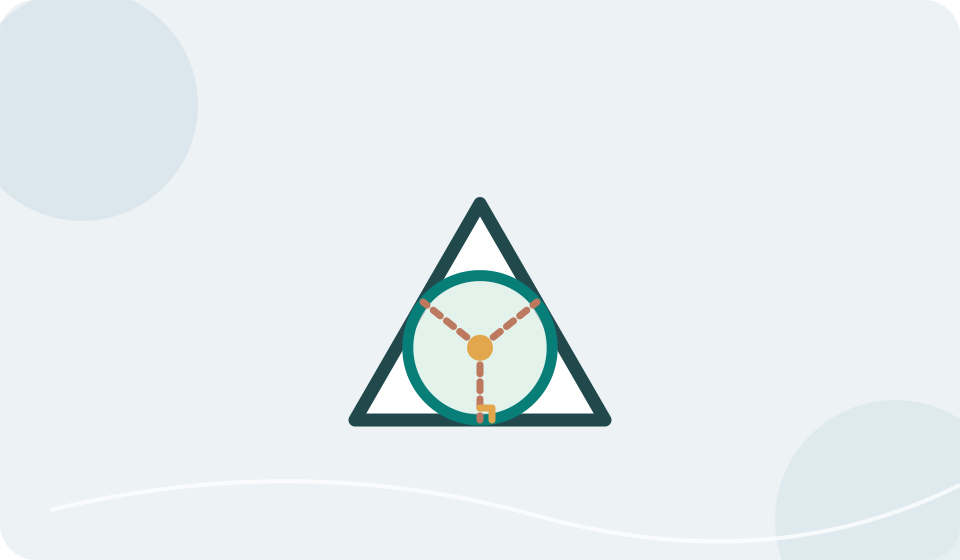
The exradius is tangent to one side and the extensions of the other two sides; it is not the inscribed radius.
Assumptions and limits
Side lengths must be positive and satisfy all triangle inequalities; near-degenerate triangles can be numerically sensitive.
Sources and method
- Derives polygon area from apothem and perimeter; the side-based formula follows by substituting the regular polygon apothem. OpenStax Contemporary Mathematics: area of regular polygons
Frequently asked questions
Which inputs determine this result?
The visible inputs are Side length a, Side length b, Side length c. Each is used by the displayed formula; the calculator does not use any other hidden measurement.
When does this method apply?
Side lengths must be positive and satisfy all triangle inequalities; near-degenerate triangles can be numerically sensitive.
How do I use the Triangle exradius calculator?
Enter Side length a, Side length b, Side length c. Match the units shown beside each field and review the result together with the assumptions below.
What is a worked example of Triangle exradius?
For sides 5, 6, 7, s=9, K=√(9×4×3×2)=√216≈14.6969, so rₐ≈14.6969/(9−5)=3.6742.
What does the Triangle exradius calculator calculate?
Calculate the exradius opposite side a using Heron’s area and the triangle’s semiperimeter.
See the calculation methodology.
Good calculators show their work.
CalcWorldHub is built around clear inputs and visible assumptions. Results are estimates for planning; check official sources or your provider’s terms when exact figures matter.