How to use this calculator
Estimate the economic order quantity when planned customer backorders are allowed.
- Enter Annual demand D, units per year, Fixed cost per order K, Holding cost h per unit per year, Backorder cost p per unit per year. Match the units shown beside each field and review the result together with the assumptions below.
- Read the worked example below to check the expected input format and result.
- Compare another scenario by changing one input at a time. Use Reset to return to the starting values.
How this calculation works
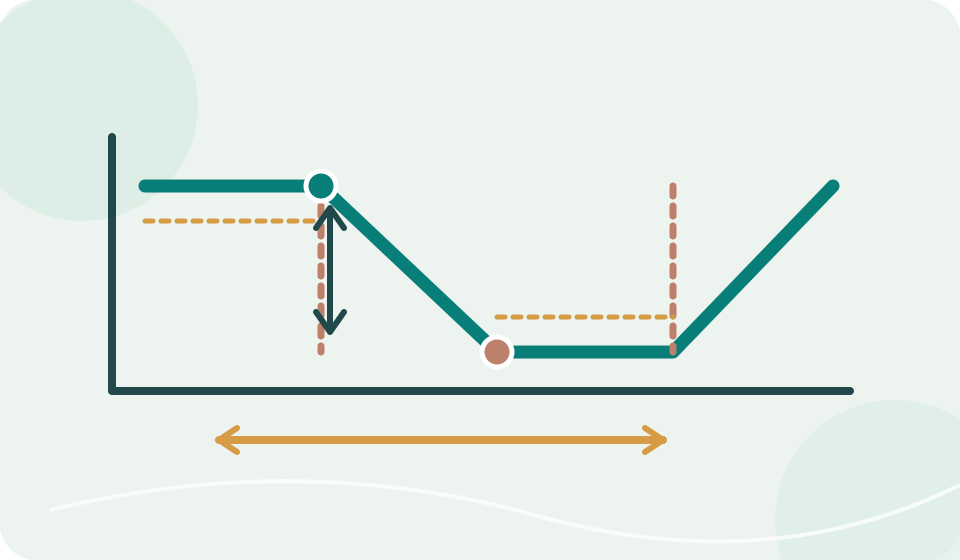
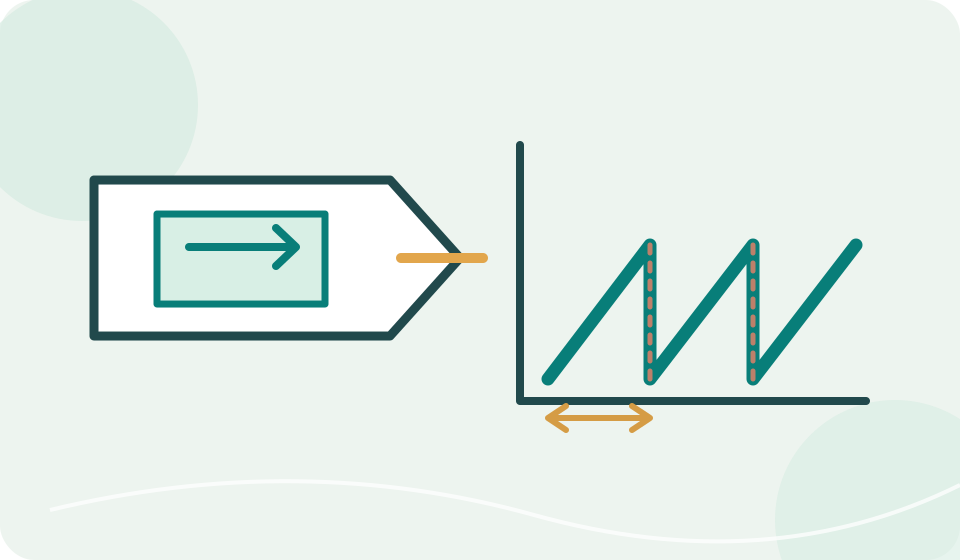
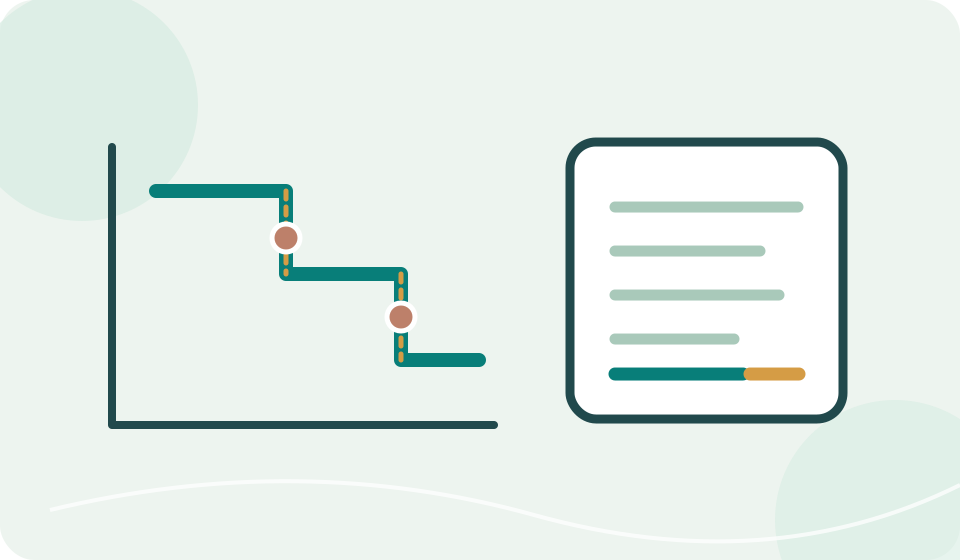
The planned-backorder EOQ model balances order setup cost against inventory holding cost and a per-unit backorder penalty. The optimal cycle alternates between positive inventory and a backlog that is cleared when the next replenishment arrives.
Inputs and units
annualDemand— Annual demand D, units per year- Use the same year basis as the unit costs.
orderCost— Fixed cost per order K- Currency units per order.
holdingCost— Holding cost h per unit per year- Currency units per unit per year.
backorderCost— Backorder cost p per unit per year- Currency units per backordered unit per year.
Formula
Q* = √[(2KD/h)((h+p)/p)]; Imax = Q*p/(h+p); Bmax = Q*h/(h+p).
Method
Calculate the optimal lot size from annual demand, fixed order cost, annual holding cost per unit, and annual backorder cost per unit. Split the cycle quantity between maximum on-hand inventory and maximum backlog according to the relative holding and shortage costs.
Worked example
With annual demand 1,200 units, order cost 75, holding cost 6 per unit per year, and backorder cost 24 per unit per year, Q* ≈ 193.65 units. Maximum inventory is 154.92 units, maximum backlog is 38.73 units, and annual relevant cost is about 929.52.
Assumptions and limits
Assumes constant demand, immediate replenishment, fixed order cost, linear holding and backorder costs, and fully backlogged unmet demand. Holding and backorder costs must use the same currency and annual time basis. It excludes quantity discounts and lost sales.
Frequently asked questions
What does planned backordering mean?
Unmet demand is recorded and filled when the next order arrives rather than being lost.
Why is the optimal order larger than ordinary EOQ?
Allowing backorders can reduce average inventory, so the model trades a larger lot against both holding and shortage costs.
Does the cost include purchase spending?
No. With constant unit price, purchase cost is the same across lot sizes and is excluded from the relevant-cost comparison.
How do I use the EOQ with Planned Backorders Calculator?
Enter Annual demand D, units per year, Fixed cost per order K, Holding cost h per unit per year, Backorder cost p per unit per year. Match the units shown beside each field and review the result together with the assumptions below.
What is a worked example of EOQ with Planned Backorders?
With annual demand 1,200 units, order cost 75, holding cost 6 per unit per year, and backorder cost 24 per unit per year, Q* ≈ 193.65 units. Maximum inventory is 154.92 units, maximum backlog is 38.73 units, and annual relevant cost is about 929.52.
Reference: technical reference. See our calculation methodology.