How to use this calculator
Estimate per-unit and batch quality loss from deviation from a target using a user-defined boundary loss.
- Enter Measured characteristic, Target value, Target-to-boundary deviation, Loss at tolerance boundary (currency/item), then complete the remaining labeled fields. Match the units shown beside each field and review the result together with the assumptions below.
- Read the worked example below to check the expected input format and result.
- Compare another scenario by changing one input at a time. Use Reset to return to the starting values.
How this calculation works
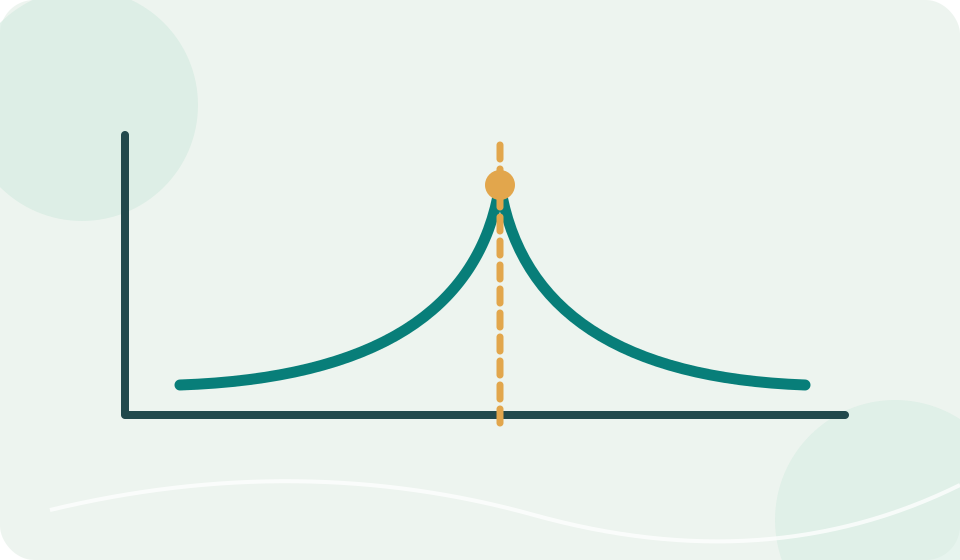
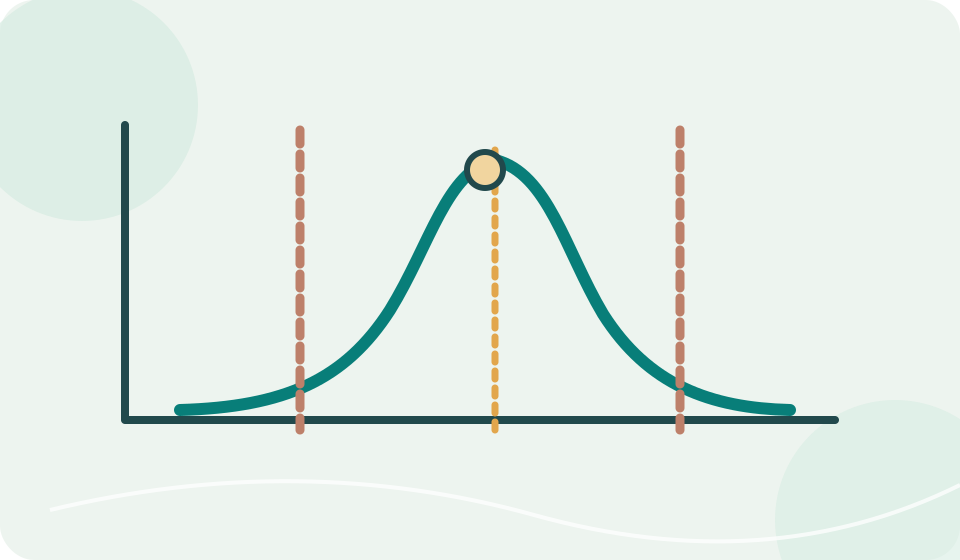
The Taguchi nominal-the-best loss model treats quality loss as a continuous quadratic function of deviation from a target. A user-supplied loss at a chosen tolerance boundary defines the loss constant; the calculator reports estimated loss for one item and a batch.
Inputs and units
measured— Measured characteristic- Observed value of the quality characteristic.
target— Target value- Desired target for the characteristic.
toleranceDeviation— Target-to-boundary deviation- Positive distance from target to either symmetric tolerance boundary.
boundaryLoss— Loss at tolerance boundary (currency/item)- User-defined monetary loss assigned to one item at the tolerance boundary.
quantity— Batch quantity- Number of comparable items in the batch.
Formula
k = boundary loss ÷ tolerance deviation²; per-unit loss = k × (measured value − target)²; batch loss = per-unit loss × quantity.
Method
Enter the measurement, target, positive tolerance deviation, and monetary loss assigned to that deviation. The tolerance deviation is the distance from target to either boundary for a symmetric tolerance. Enter the number of items to scale the per-unit estimate.
Worked example
With a target of 10.0, a measured value of 10.1, a tolerance deviation of 0.2, and a boundary loss of 100 currency units per item, the estimated loss is 25 per item. For 50 items, the estimated batch loss is 1,250.
Assumptions and limits
This is the nominal-the-best Taguchi quadratic loss model. Boundary loss and tolerance are user-defined and must use consistent measurement units and currency assumptions. It does not calculate process capability, defects, warranty claims, or actual accounting costs; the result is only as meaningful as the chosen boundary loss.
Frequently asked questions
What does the boundary loss mean?
It is the user-assigned monetary loss for one item exactly one tolerance deviation away from target.
Why is loss zero at the target?
The nominal-the-best quadratic model sets loss proportional to squared distance from the target.
Does this estimate determine whether a part passes inspection?
No. Entered tolerance boundaries and inspection rules are separate from the gradual Taguchi loss estimate.
How do I use the Taguchi Quality Loss Calculator?
Enter Measured characteristic, Target value, Target-to-boundary deviation, Loss at tolerance boundary (currency/item), then complete the remaining labeled fields. Match the units shown beside each field and review the result together with the assumptions below.
What is a worked example of Taguchi Quality Loss?
With a target of 10.0, a measured value of 10.1, a tolerance deviation of 0.2, and a boundary loss of 100 currency units per item, the estimated loss is 25 per item. For 50 items, the estimated batch loss is 1,250.
Reference: Abaqus Isight explanation of Taguchi quadratic quality loss and user-defined loss constant. See our calculation methodology.