Calculator guides
Clear, source-linked explanations and worked examples for the calculators you use. Browse all 650 guides by topic or search the full collection.
Showing 325–336 of 650 articles
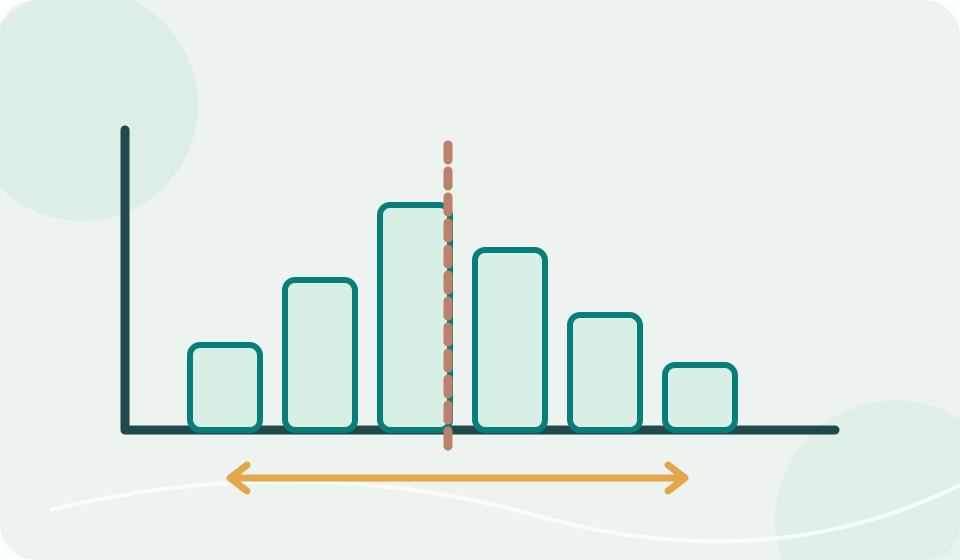
Supplier Lead-Time Distribution: Summarize Delivery Variability
Summarize completed supplier lead-time observations in calendar days with a mean, median, range, and count, while keeping the start and receipt rules consistent.
Read article
Inventory Record Accuracy: Compare Counted Records with the System
Measure the share of audited SKU-location records whose counted quantity matches the system within your stated tolerance, and keep the mismatch count visible.
Read article
Cycle Count Completion Rate: Track the Due Work Closed
Calculate completed count tasks as a share of tasks due by a defined cutoff, then see how many planned counts remain open.
Read article
Obsolete Inventory Value Rate: Size the Share of Stock at Risk
Express obsolete inventory value as a share of total inventory value in the same currency and valuation scope, while keeping the remaining value visible.
Read article
Order Picking Accuracy: Count Error-Free Orders
Calculate the share of orders picked without a recorded picking error, with incorrect orders and the complementary error rate shown alongside it.
Read article
Warehouse Putaway Accuracy: Measure Correctly Placed Stock
Measure the share of audited putaway units found in their assigned locations, using one consistent unit and audit rule.
Read article
Warehouse Putaway Productivity: Units per Labor Hour
Measure completed handling units put away per direct labor-hour, with the reciprocal hours required per 100 units for a consistent work cohort.
Read article
Warehouse Picking Productivity: Rate and Labor-Hour Planning
Calculate picking lines per total picker labor-hour, average lines per picker, hours per 100 lines, and total picker labor time.
Read article
Dock-to-Stock Time: Measure Receipt-to-Availability Delay
Summarize elapsed dock-to-stock observations with their mean, median, shortest and longest duration, and sample size.
Read article
Customer Order Cycle Time: Summarize End-to-End Fulfillment
Summarize completed-order cycle durations in calendar days using mean, median, shortest, longest, and sample-size outputs.
Read article
Cross-Dock Volume Share: Measure Flow That Bypasses Storage
Measure cross-docked inbound volume as a share of eligible inbound volume, using the same volume unit and cohort.
Read article
Container Cube Utilization: Estimate Space Used by a Load
Compare cargo volume with the usable cubic capacity of one specified container, while keeping volume fill separate from payload and loading feasibility.
Read article