Electronics calculator guides
Explore 17 practical guides with worked examples, clear assumptions, and direct links to the calculators they explain.
Showing 1–12 of 17 articles
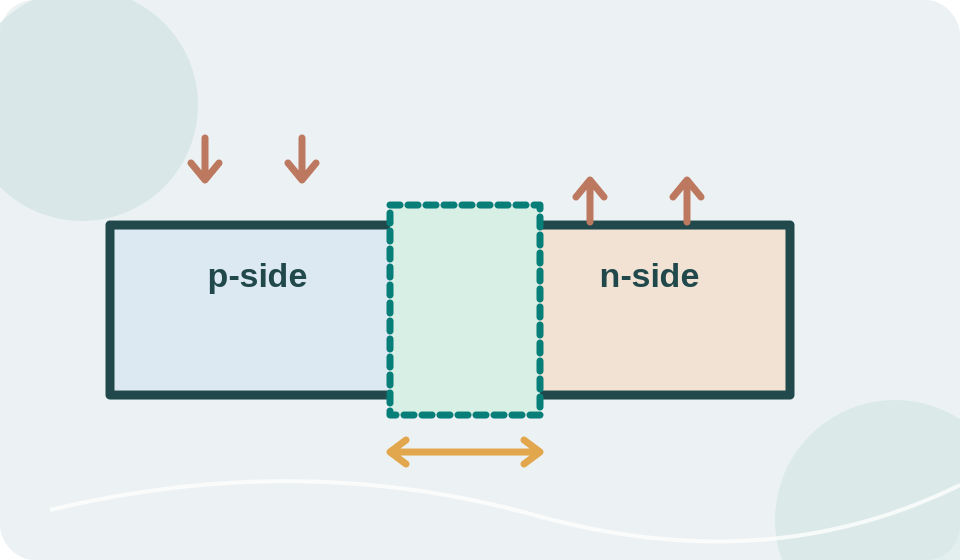
Abrupt PN Junction Depletion Width: Bias, Doping, and Capacitance
Estimate depletion width in an abrupt PN junction from doping, temperature, permittivity, and reverse bias, then check the model limits.
Read article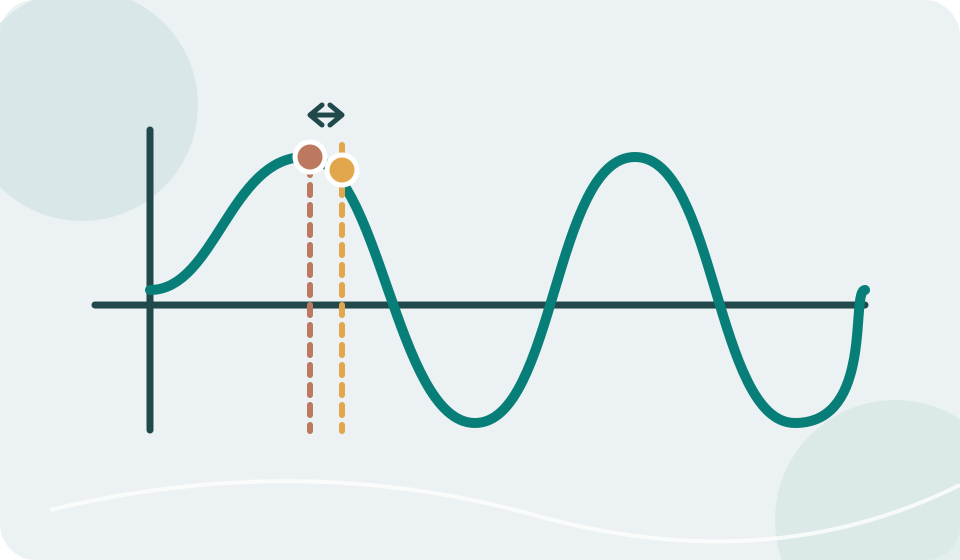
ADC Aperture Jitter SNR: How Input Frequency Limits Accuracy
Estimate how RMS sampling-time uncertainty limits ADC SNR for a sine input and combine it with other independent noise sources.
Read article
ADC Averaging with Correlated Noise: When Samples Stop Helping
Estimate the RMS noise reduction from averaging equally weighted samples when every sample pair shares the same correlation coefficient.
Read article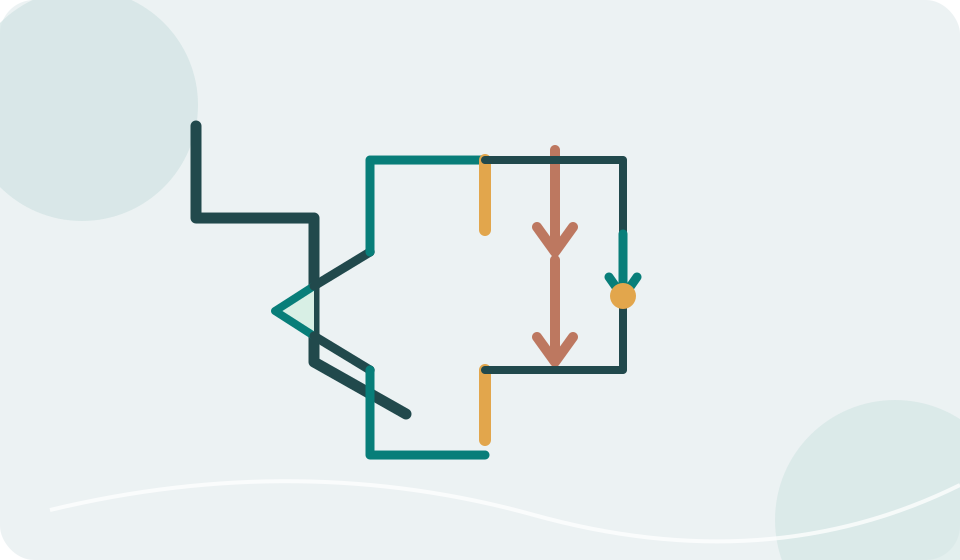
BJT Differential Pair Current Steering: From Input Difference to Collector Currents
Estimate how a matched bipolar differential pair divides tail current as the base-voltage difference changes.
Read article
BJT Current Mirror Error: Base Current and the Early Effect
Separate finite-beta base-current loading from Early-effect mismatch in a simple bipolar current mirror.
Read article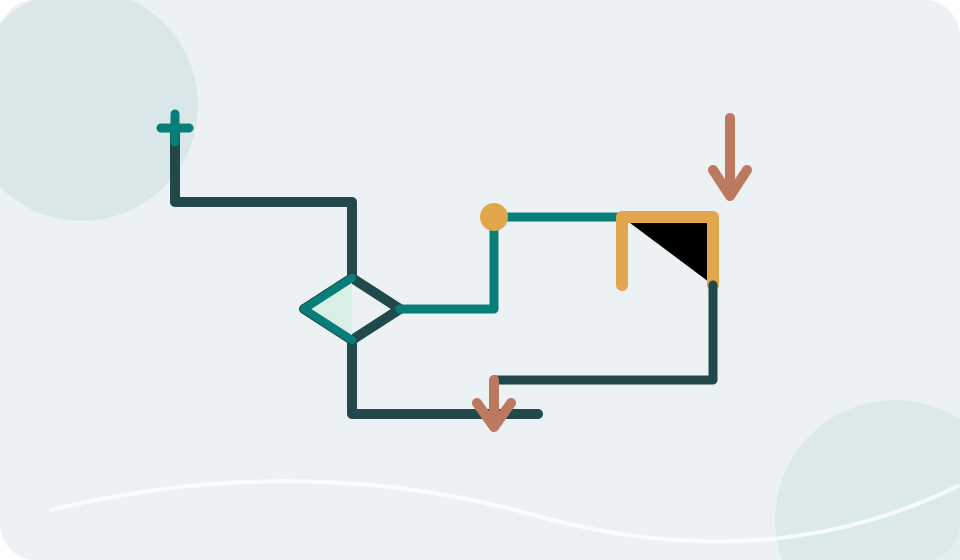
Emitter-Degenerated BJT Gain: Include Source and Load
Estimate midband voltage gain and input loading for a common-emitter stage with an unbypassed emitter resistor.
Read article
Three-Op-Amp Instrumentation Amplifier: Differential Gain and Reference
Estimate the differential gain and reference-shifted output of an ideal three-op-amp instrumentation amplifier.
Read article
Amplifier Output Compliance: Load Current, Voltage, and Power
Check how output resistance, current limiting, and swing limits affect a resistive amplifier load.
Read article
Photodiode TIA Range and Noise: Current, Swing, and Bandwidth
Estimate photodiode transimpedance output, available current range, shot noise, and feedback-resistor noise.
Read article
MOSFET Body Effect: Threshold Shift and Source Bias
Estimate how source-to-body bias shifts a MOSFET threshold and what that means for an operating-point calculation.
Read article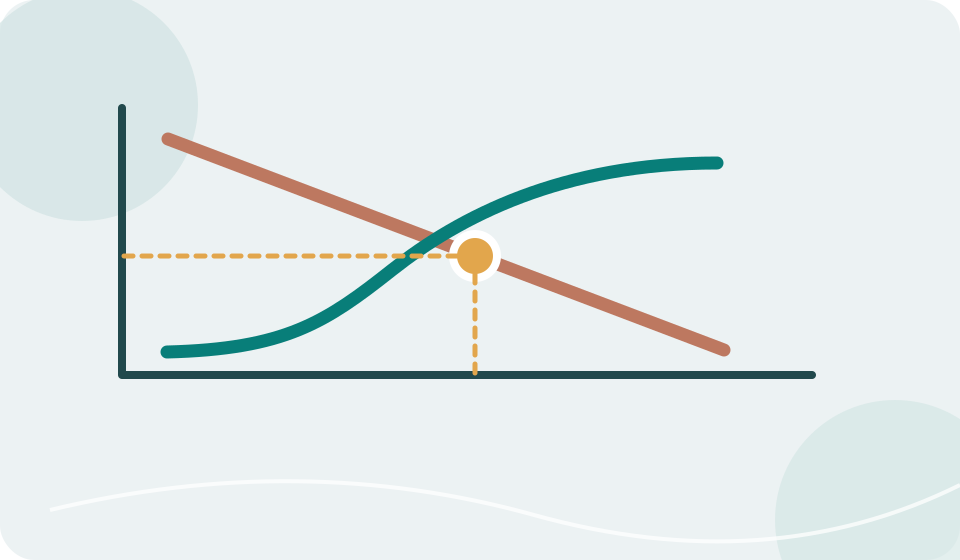
Resistor-Loaded MOSFET Operating Point: Current and Drain Voltage
Work through a resistor-loaded MOSFET bias point and interpret the drain current and voltage within the calculator’s model.
Read article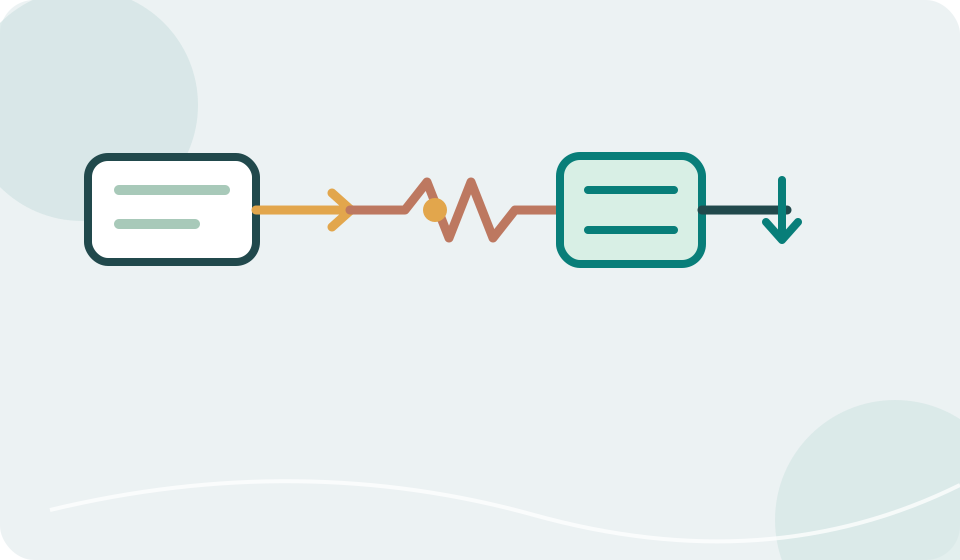
MOSFET Gate Resistor from Miller Charge: A Switching Estimate
Estimate a gate resistance from Miller charge and target transition time, then check what the simplified switching model omits.
Read article