Physics calculator guides
Explore 19 practical guides with worked examples, clear assumptions, and direct links to the calculators they explain.
Showing 1–12 of 19 articles

Density: Relate Mass to Volume Without Mixing Units
Calculate mass density as mass divided by volume, then convert consistently before comparing materials or states.
Read article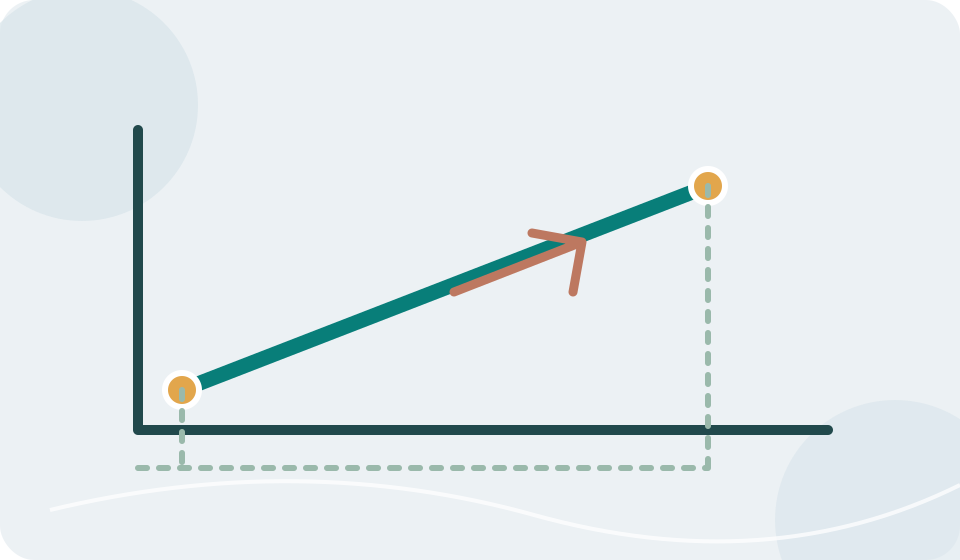
Average Acceleration: Change in Velocity Over Time
Calculate signed average acceleration from two velocities and elapsed time, with consistent units and direction conventions.
Read article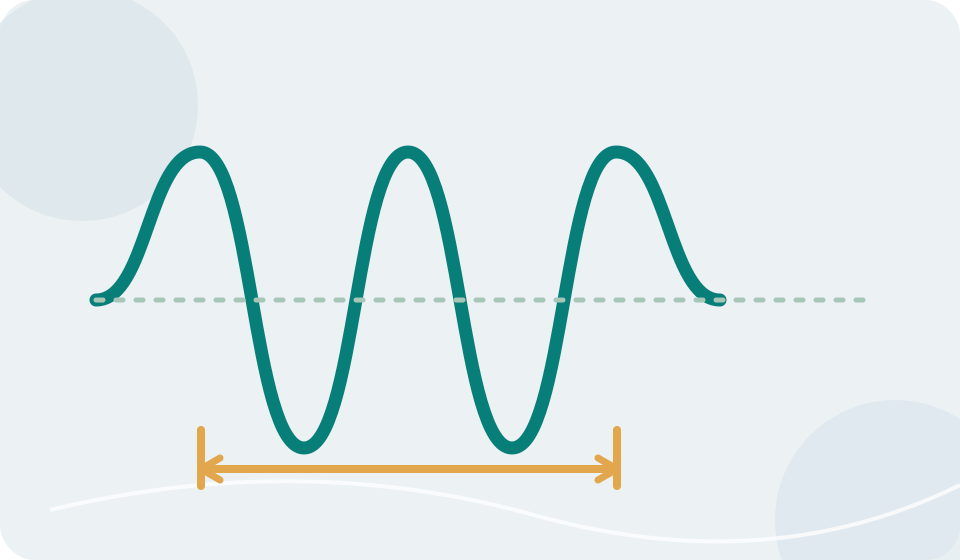
Wave Speed: Connect Frequency and Wavelength
Use v = fλ to solve for one wave quantity while keeping frequency, wavelength, and speed units consistent.
Read article
Acceleration from Velocity Change and Time
Calculate average acceleration from signed initial and final velocities and elapsed time, while keeping direction and units consistent.
Read article
Angular Displacement Under Constant Angular Acceleration
Find signed angular displacement from initial angular speed, constant angular acceleration, and elapsed time using the calculator’s radian-based inputs.
Read article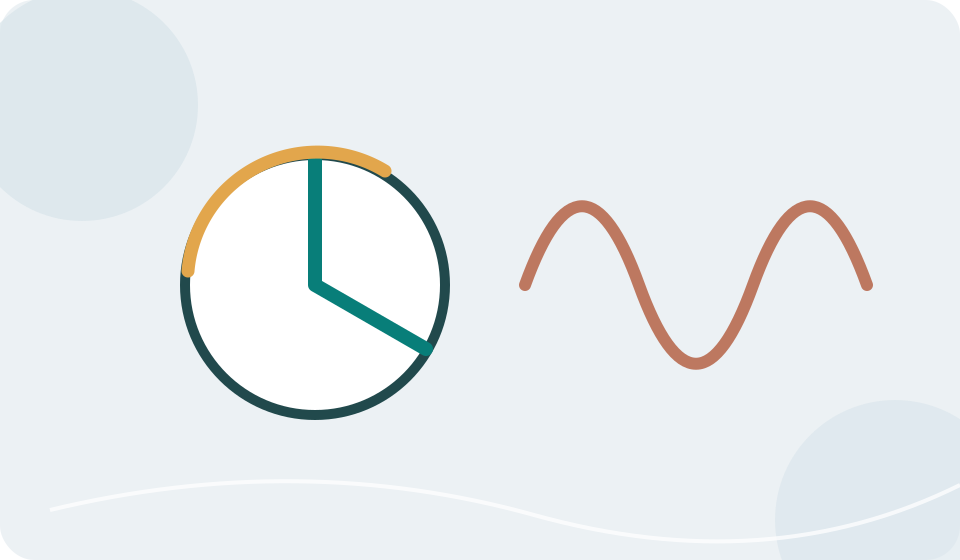
Angular Frequency from Frequency: Convert Cycles to Radians
Convert a nonnegative frequency in hertz to angular frequency in radians per second, keeping cycles per second distinct from rad/s.
Read article
Angular Frequency from Period: Calculate ω from One Cycle
Calculate angular frequency from a positive cycle period using ω = 2π/T, and check that the period describes one complete repeating cycle.
Read article
Angular Speed After Time: Apply Constant Angular Acceleration
Estimate signed angular velocity after a time interval when angular acceleration is constant, preserving the initial direction and units.
Read article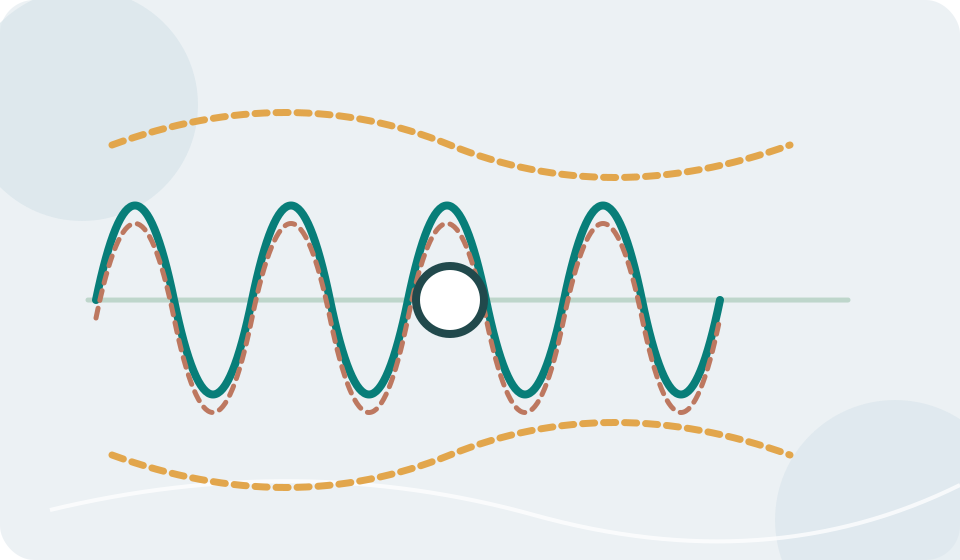
Beat Frequency: Find the Difference Between Two Tones
Calculate the pulse rate created by two nearby tones, check its beat period, and distinguish the slow envelope from the sound pitch.
Read article
Lorentz Factor: Calculate Relativistic Time and Length Scaling
Calculate gamma from a fraction of light speed, interpret its time and length roles, and check why it grows near c.
Read article
Sound Doppler Shift: Account for Source and Observer Motion
Estimate an observed tone from collinear source and observer motion, with sign conventions and sound speed stated explicitly.
Read article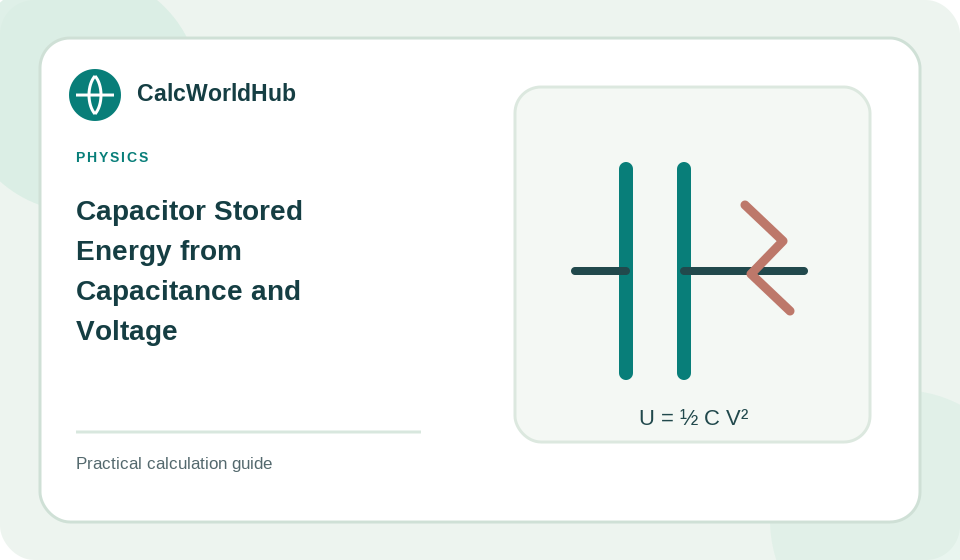
Capacitor Stored Energy from Capacitance and Voltage
Calculate the ideal electrostatic energy stored in a capacitor from capacitance and voltage.
Read article