Calculator guides
Clear, source-linked explanations and worked examples for the calculators you use. Browse all 650 guides by topic or search the full collection.
Showing 289–300 of 650 articles
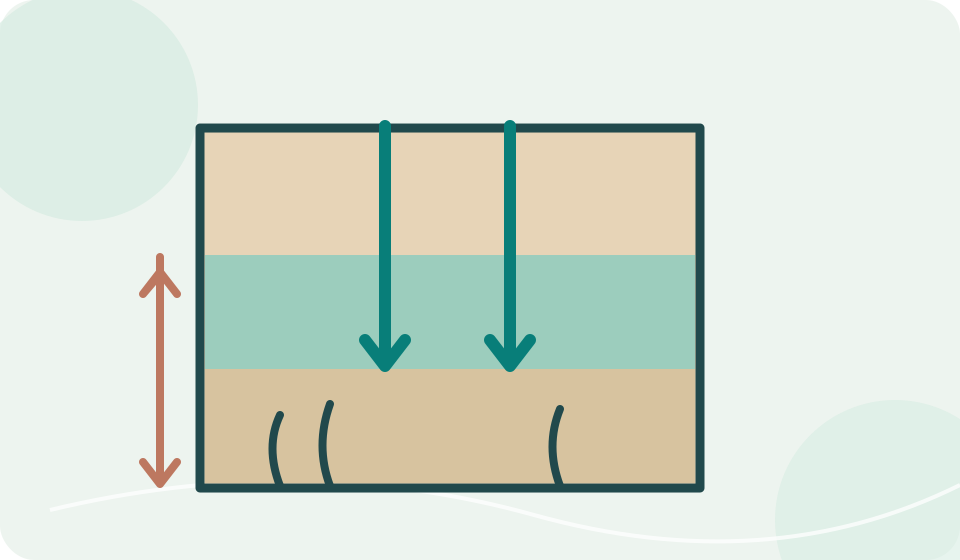
Root-Zone Available Water Storage: Convert Soil Water to Depth
Convert volumetric soil-water percentages and effective rooting depth into a total available-water depth in millimetres.
Read article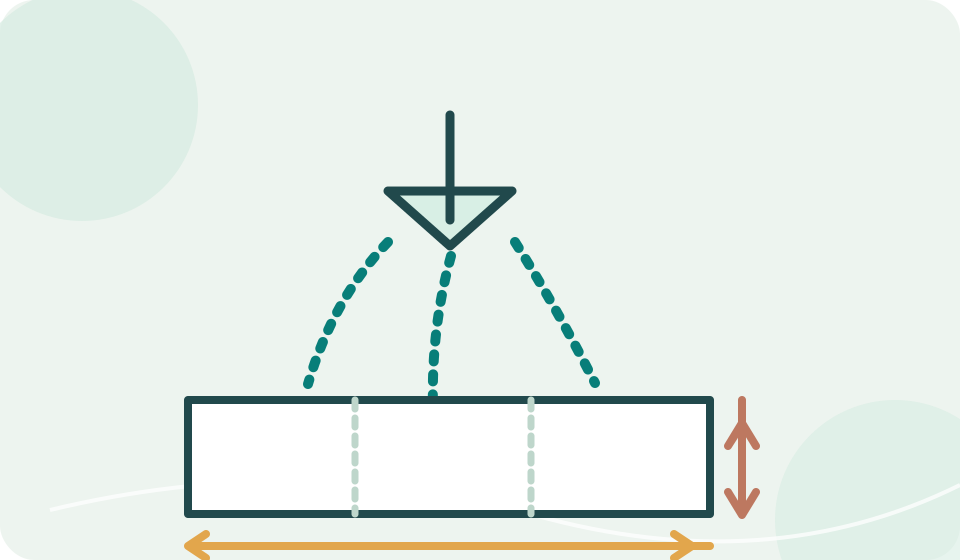
Sprinkler Precipitation Rate: Convert Flow and Spacing to Depth per Hour
Estimate the nominal average application rate from emitter discharge and rectangular sprinkler spacing, then compare it with field catch-can measurements.
Read article
H-Seal Carton Tape: Estimate Tape per Box
Estimate tape for a defined top-and-bottom H seal, including each strip’s run-off, and separate geometric length from waste and tape selection.
Read article
Edge Protector Length: Measure Protection for a Carton
Estimate protector length for twelve rectangular pallet-load edges, scale by load count, then add the entered cutting allowance.
Read article
Labels per Roll: Divide Web Length by Label Pitch
Estimate full repeat rows on usable web and multiply by labels across the web, excluding setup, trim, splices, and press waste.
Read article
Roll Length from Outer Diameter, Core, and Material Thickness
Estimate wound material length from the roll’s outside diameter, core outside diameter, and uniform layer thickness.
Read article
Returnable Container Fleet Size: Match Demand to Turnaround
Estimate the steady circulating pool needed to support daily product flow, container capacity, and a stated reserve allowance.
Read article
Basketball Effective Field-Goal Percentage: Weight Three-Pointers
Calculate basketball eFG% from field goals made, three-pointers made, and attempts, then interpret what the adjustment does and does not measure.
Read article
Basketball True Shooting Percentage: Include Free-Throw Attempts
Use points, field-goal attempts, and free-throw attempts to estimate basketball scoring efficiency with the standard 0.44 factor.
Read article
Cricket Required Run Rate: Pace Needed to Reach a Target
Convert the runs still needed and legal balls remaining into the required scoring pace per over.
Read article
Cricket Batting Strike Rate: Runs per Hundred Balls
Calculate a batter's runs per 100 balls faced and distinguish the individual rate from a team's chase rate.
Read article
NFL Passer Rating: Apply the Four-Component Formula
Reproduce the NFL passer-rating index from completions, attempts, passing yards, touchdowns, and interceptions.
Read article