Calculator guides
Clear, source-linked explanations and worked examples for the calculators you use. Browse all 650 guides by topic or search the full collection.
Showing 121–132 of 650 articles

3D Distance Between Two Points: Formula and Examples
Use the 3D distance formula to compare two coordinate points, track units, and check the result with coordinate differences.
Read article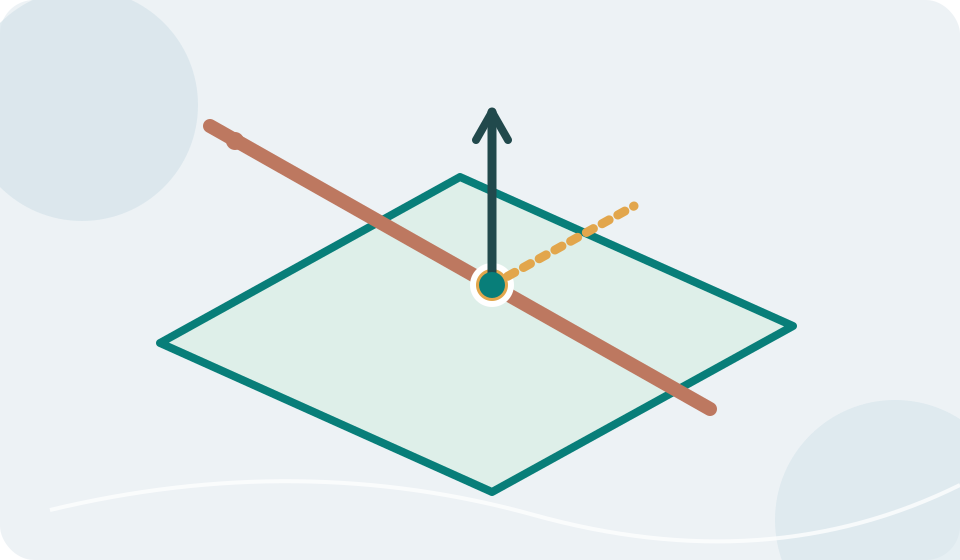
How to Find a 3D Line–Plane Intersection
Parameterize a 3D line, substitute it into a plane equation, and distinguish a unique intersection from parallel cases.
Read article
3D Manhattan Distance: The City-Block Metric
Add absolute x, y, and z changes to measure axis-aligned travel, and compare this city-block distance with a direct 3D route.
Read article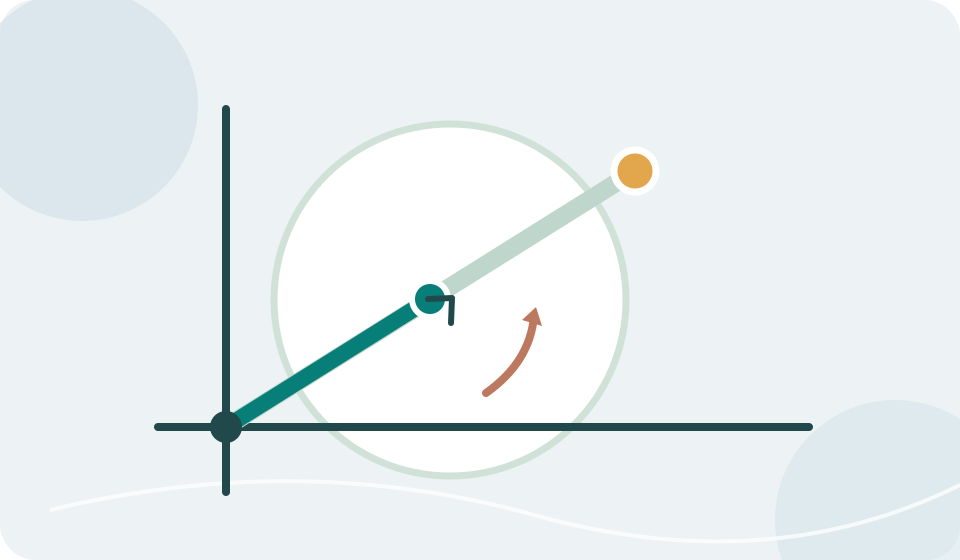
How to Normalize a 3D Vector
Divide a nonzero vector by its magnitude to keep its direction while setting its length to one.
Read article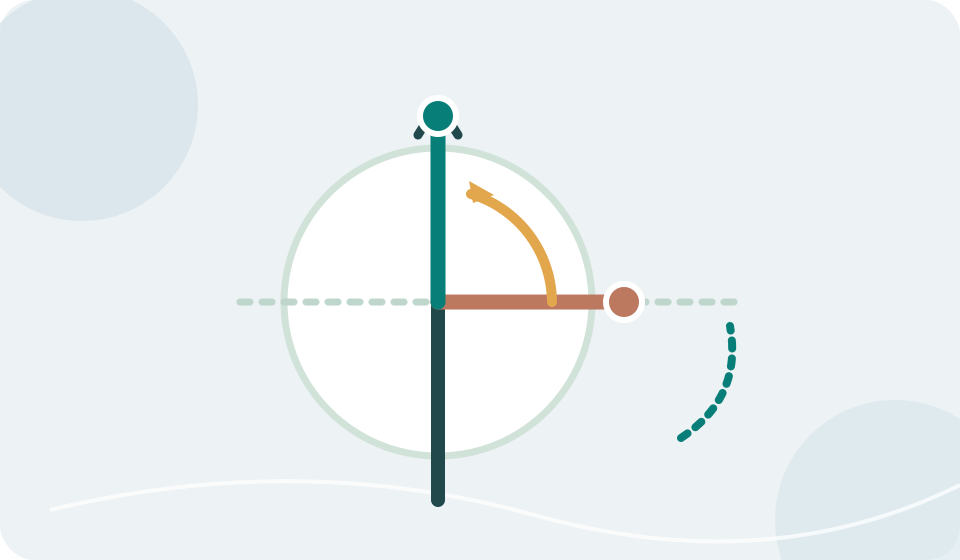
Rotate a 3D Vector Around an Axis: Rodrigues’ Formula
Rotate a vector about a nonzero 3D axis with Rodrigues’ formula, using degrees and the right-hand rule.
Read article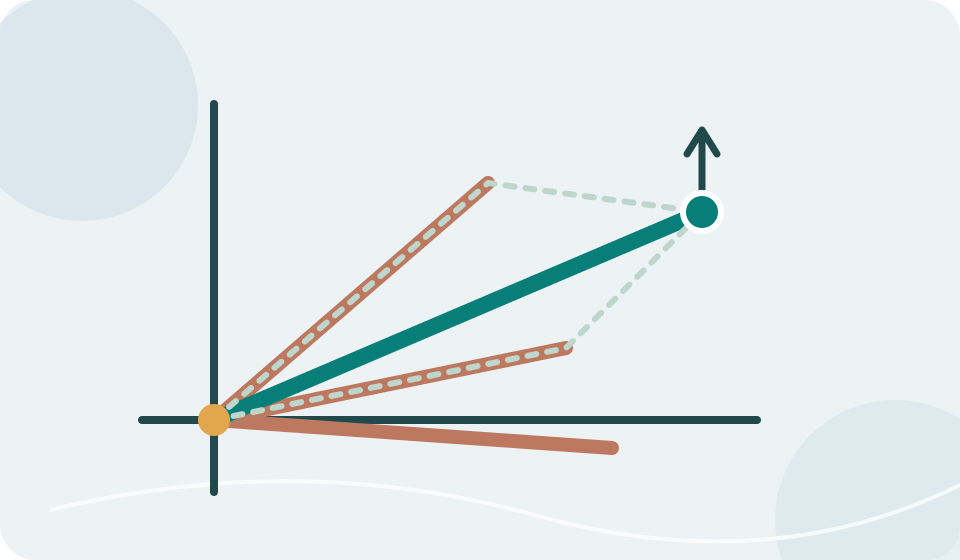
3D Vector Cross Product: Components, Direction, and Magnitude
Calculate u × v component by component, use the right-hand rule, and interpret the result as an oriented area vector.
Read article
3D Dot Product: Components, Angles, and Projection
Add paired component products to measure alignment, test perpendicularity, and connect the scalar result to projection.
Read article
Linear Interpolation Between 3D Points: The Role of t
Use p(t)=a+t(b−a) to locate a 3D point between two endpoints or extrapolate beyond them when t falls outside 0–1.
Read article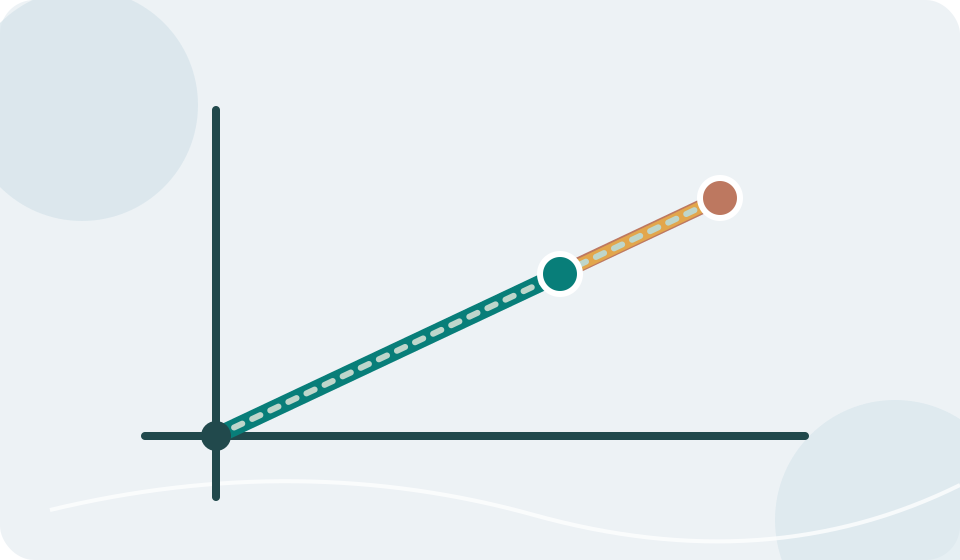
Vector Projection in 3D: Find the Component Along v
Project u onto a nonzero direction v, interpret the signed scale factor, and check the perpendicular remainder.
Read article
Angle Between 3D Vectors: Dot Product, Units, and Checks
Find the smaller angle between nonzero 3D vectors with the normalized dot product and verify degrees and radians.
Read article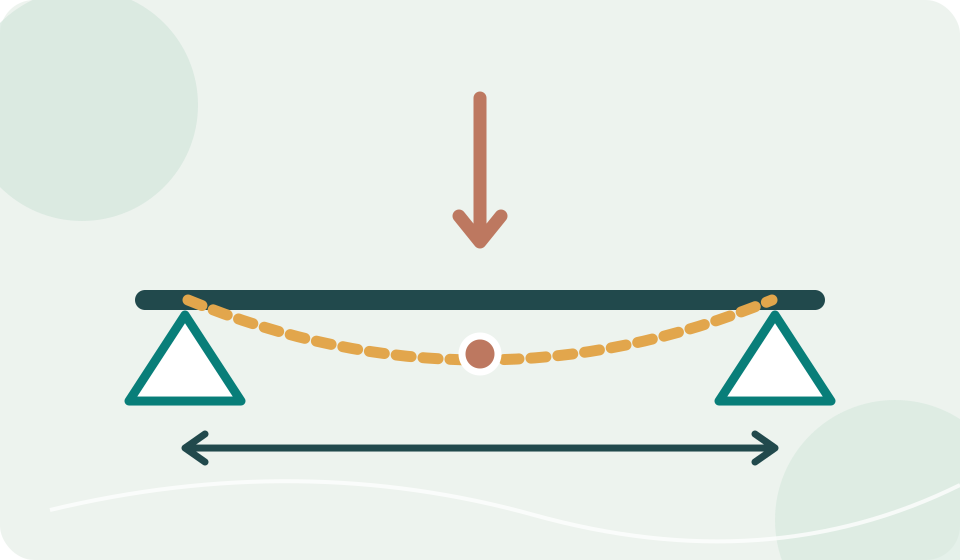
Center-Load Deflection of a Simply Supported Beam
Estimate midspan deflection under a centered point load, convert beam properties consistently, and check what the elastic model leaves out.
Read article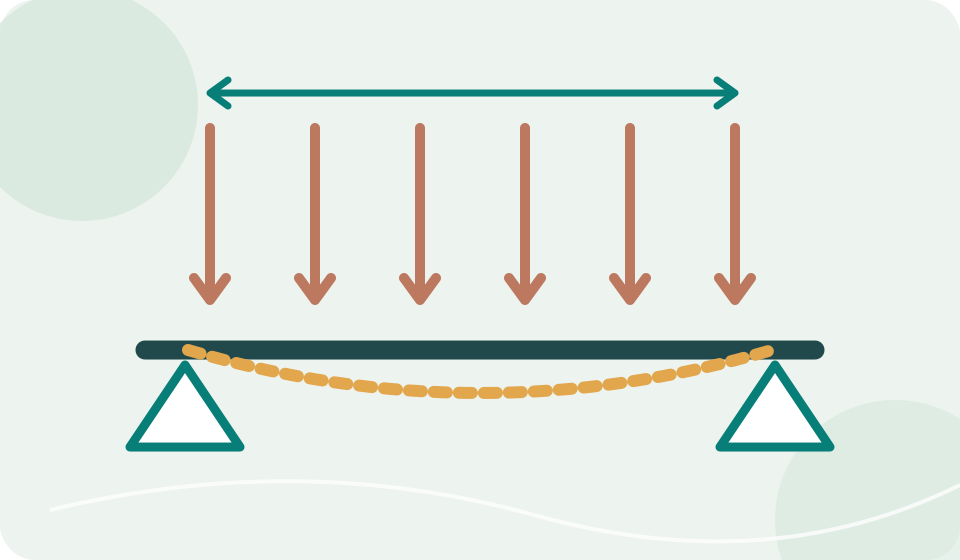
Simply Supported Beam Deflection Under Uniform Load
Calculate the idealized midspan deflection from a full-span uniform load and keep modulus, inertia, and unit conversions consistent.
Read article