Calculator guides
Clear, source-linked explanations and worked examples for the calculators you use. Browse all 650 guides by topic or search the full collection.
Showing 193–204 of 650 articles
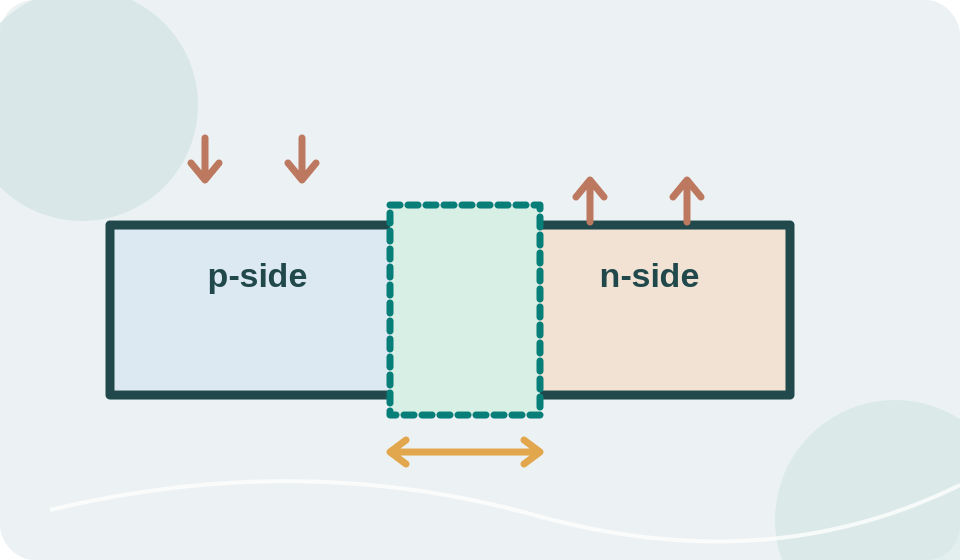
Abrupt PN Junction Depletion Width: Bias, Doping, and Capacitance
Estimate depletion width in an abrupt PN junction from doping, temperature, permittivity, and reverse bias, then check the model limits.
Read article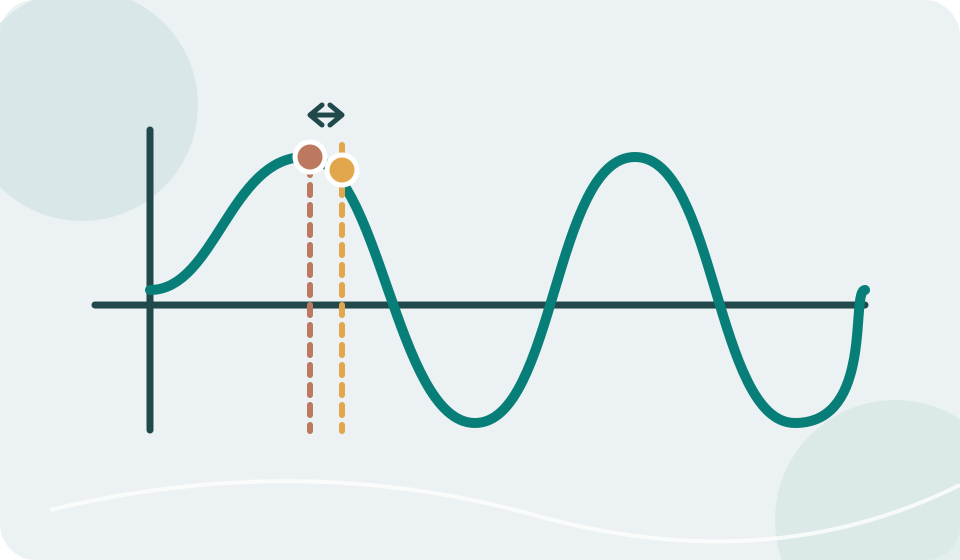
ADC Aperture Jitter SNR: How Input Frequency Limits Accuracy
Estimate how RMS sampling-time uncertainty limits ADC SNR for a sine input and combine it with other independent noise sources.
Read article
ADC Averaging with Correlated Noise: When Samples Stop Helping
Estimate the RMS noise reduction from averaging equally weighted samples when every sample pair shares the same correlation coefficient.
Read article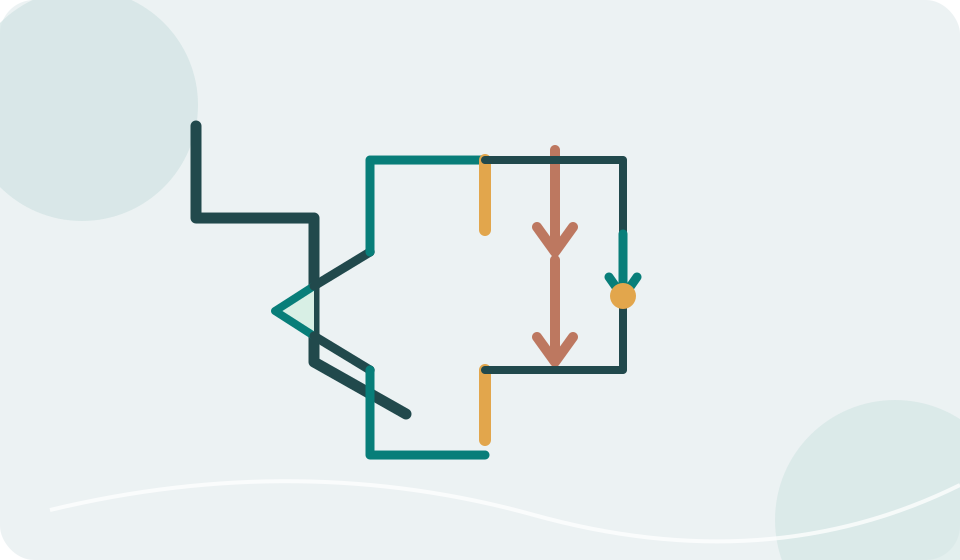
BJT Differential Pair Current Steering: From Input Difference to Collector Currents
Estimate how a matched bipolar differential pair divides tail current as the base-voltage difference changes.
Read article
BJT Current Mirror Error: Base Current and the Early Effect
Separate finite-beta base-current loading from Early-effect mismatch in a simple bipolar current mirror.
Read article
BJT Transconductance: How Collector Current Sets Small-Signal Gain
Convert collector bias current and junction temperature into the local BJT transconductance gm.
Read article
BJT Base Resistor: Size a Switching Transistor Drive
Estimate a series base resistor from the drive voltage, assumed base-emitter drop, collector target, and forced current ratio.
Read article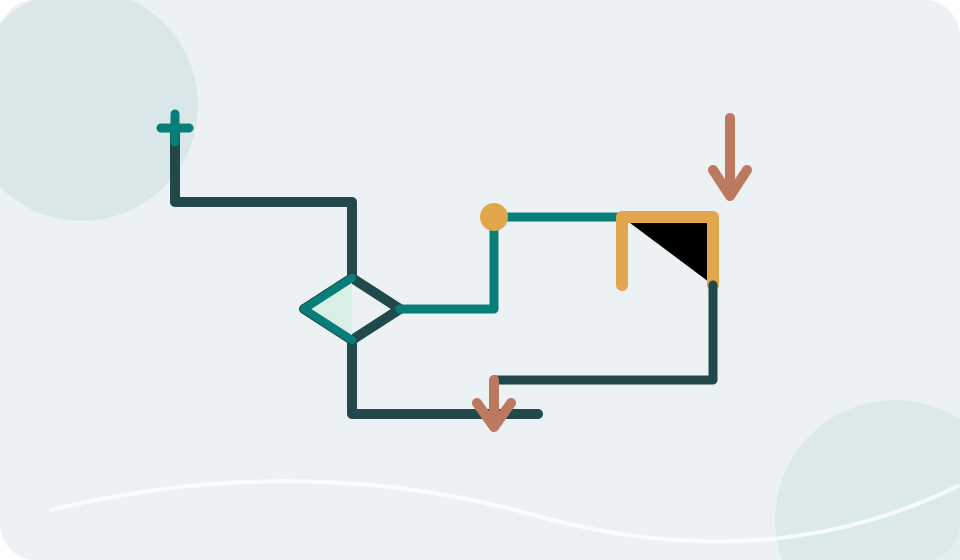
Emitter-Degenerated BJT Gain: Include Source and Load
Estimate midband voltage gain and input loading for a common-emitter stage with an unbypassed emitter resistor.
Read article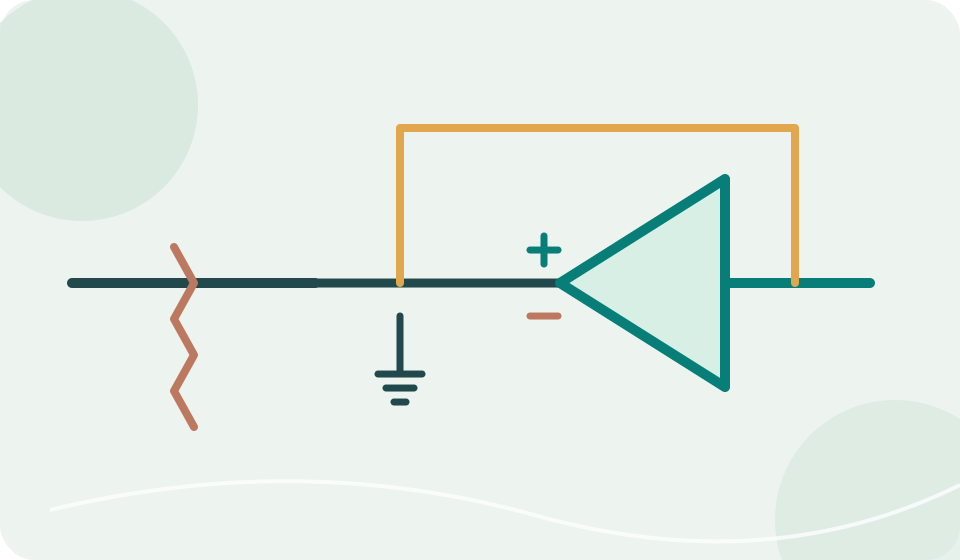
Inverting Op-Amp Gain: Resistor Ratio, Sign, and Output Limits
Calculate the ideal inverted output from the input voltage and the feedback-to-input resistance ratio.
Read article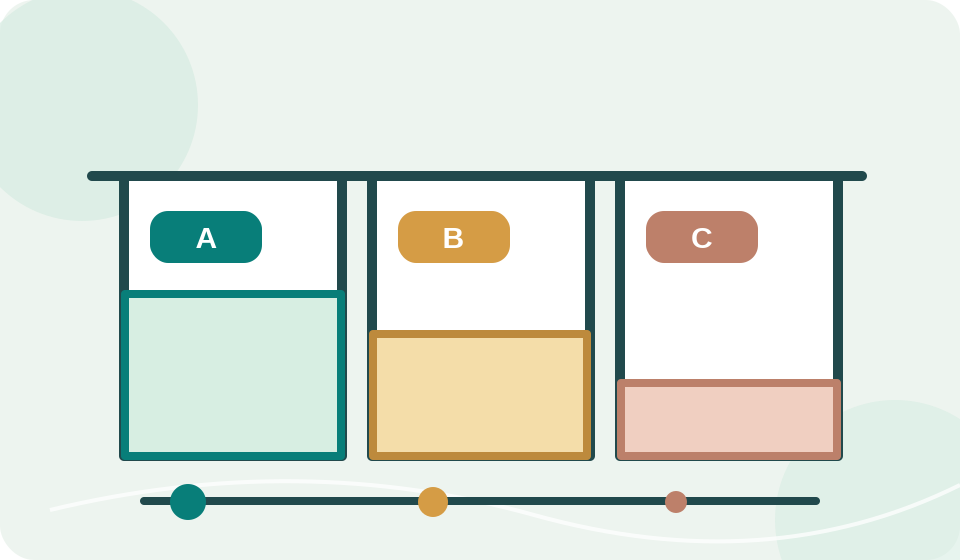
ABC Inventory Analysis: Classify Stock by Annual Value
Rank inventory by annual usage value, apply cumulative ABC thresholds, and understand what the classes can and cannot tell you.
Read article
Noninverting Op-Amp Gain: Feedback Ratio and Output Headroom
Estimate the in-phase closed-loop output from the input voltage and two feedback resistors.
Read article
Economic Production Quantity: Plan a Batch Run Size
Estimate a production batch that balances setup and inventory holding costs when stock builds at a finite production rate.
Read article