Calculator guides
Clear, source-linked explanations and worked examples for the calculators you use. Browse all 650 guides by topic or search the full collection.
Showing 217–228 of 650 articles

Amplifier Output Compliance: Load Current, Voltage, and Power
Check how output resistance, current limiting, and swing limits affect a resistive amplifier load.
Read article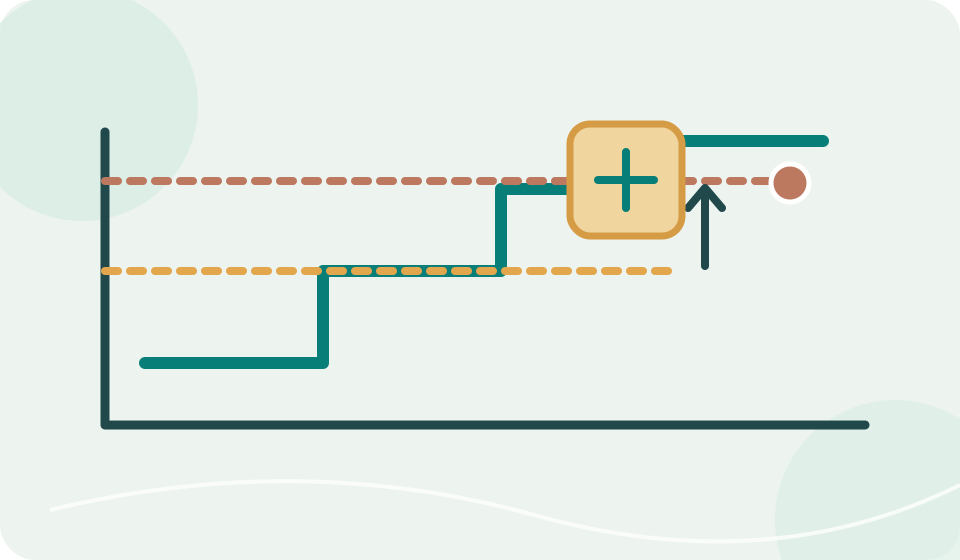
Reorder Point with Safety Stock: Set a Variability-Aware Trigger
Combine mean lead-time demand with a normal service-factor buffer for a fixed-lead-time replenishment trigger.
Read article
Photodiode TIA Range and Noise: Current, Swing, and Bandwidth
Estimate photodiode transimpedance output, available current range, shot noise, and feedback-resistor noise.
Read article
Safety Stock for Fixed Lead Time: Size the Buffer
Estimate a fixed-lead-time demand buffer from daily demand variation and a selected service factor.
Read article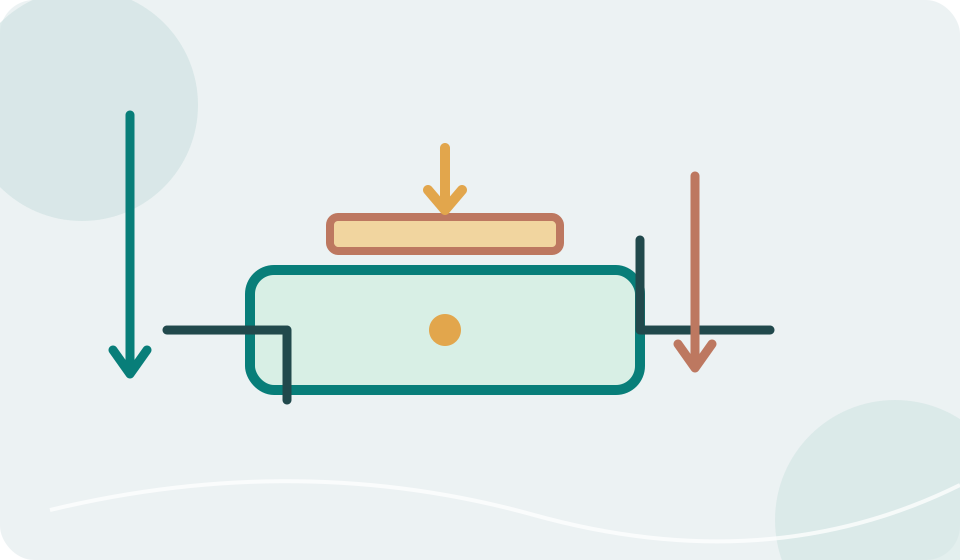
MOSFET Body Effect: Threshold Shift and Source Bias
Estimate how source-to-body bias shifts a MOSFET threshold and what that means for an operating-point calculation.
Read article
Erlang B Blocking Probability: Size a No-Wait Capacity
Estimate the share of calls or jobs turned away when every identical server is busy, then translate blocking probability into carried traffic.
Read article
MOSFET Conduction and Switching Loss: A Practical Estimate
Separate resistive on-state loss from switching loss, then check the assumptions behind a first-order MOSFET power estimate.
Read article
Erlang C Service Level: Estimate Queue Waits for a Staffed Team
Estimate waiting probability, average queue delay, occupancy, and the share answered within a target time for a pooled multi-server queue.
Read article
MOSFET Gate-Drive Power: Charge, Voltage, and Frequency
Estimate average gate-drive power from gate charge, drive swing, and switching frequency, while distinguishing it from transistor loss.
Read article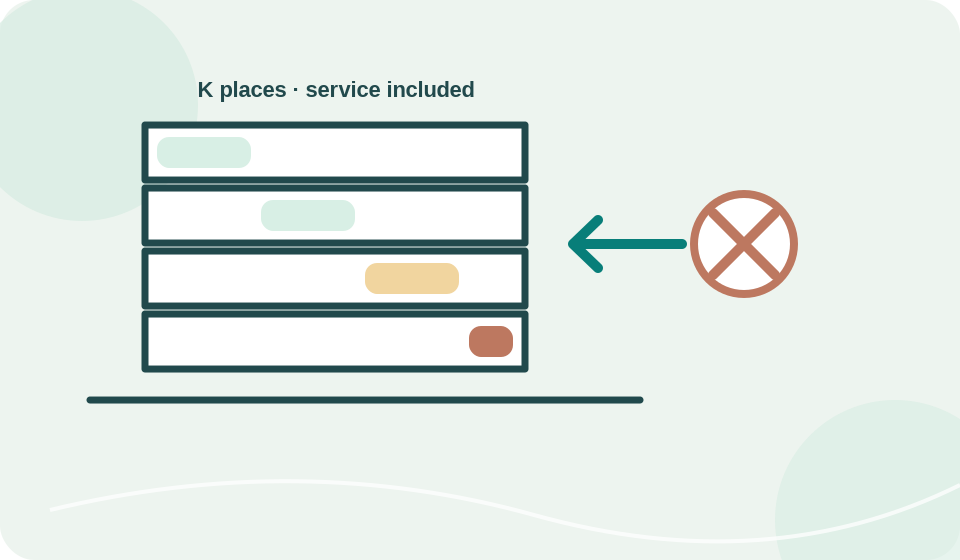
M/M/1/K Queue: Measure Blocking at a Finite Capacity
Estimate blocking, accepted arrivals, and mean time in a single-server queue with a fixed system limit that includes the customer in service.
Read article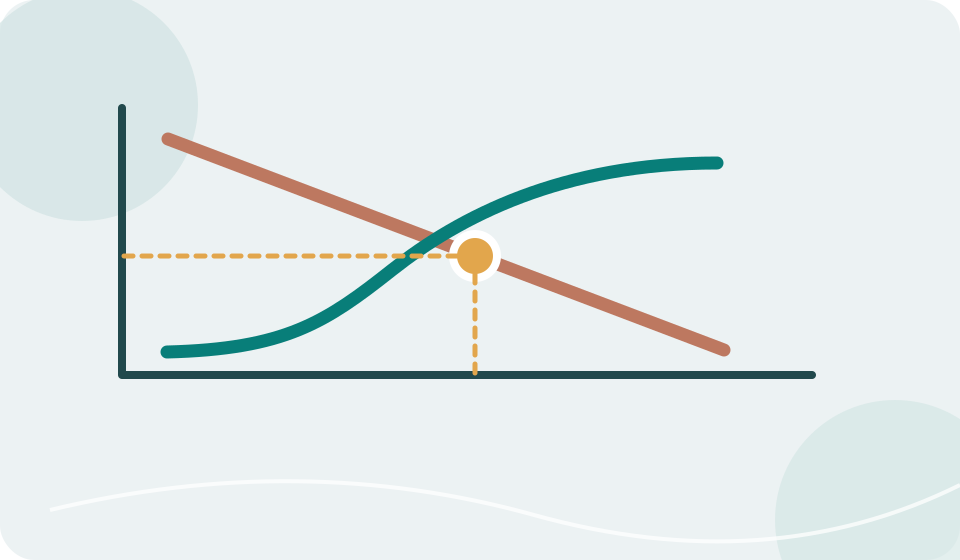
Resistor-Loaded MOSFET Operating Point: Current and Drain Voltage
Work through a resistor-loaded MOSFET bias point and interpret the drain current and voltage within the calculator’s model.
Read article
Kingman's G/G/1 Approximation: Estimate Wait Under Variability
Estimate mean queue wait for a stable single-server process using arrival variability, service variability, average service time, and utilization.
Read article