Math calculator guides
Explore 57 practical guides with worked examples, clear assumptions, and direct links to the calculators they explain.
Showing 13–24 of 57 articles
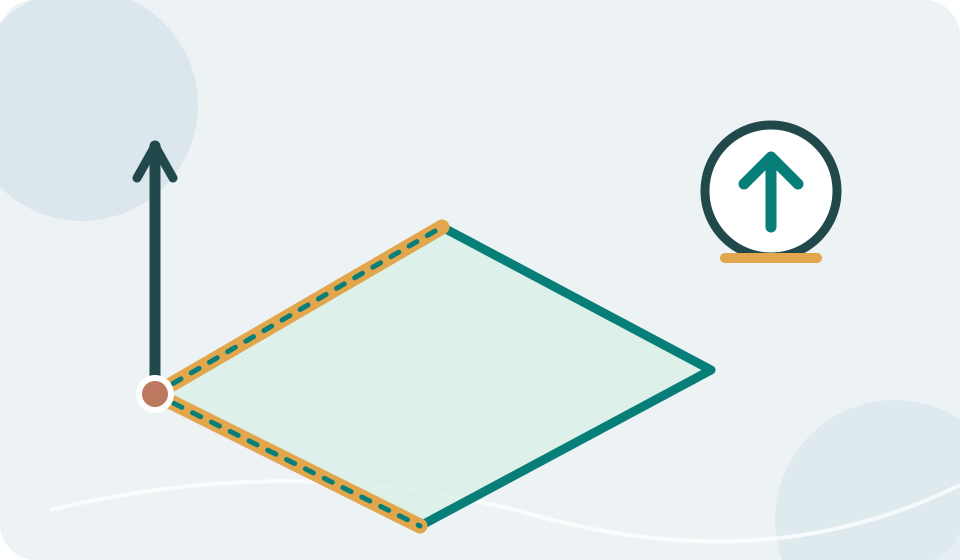
3D Cross-Product Magnitude: Parallelogram Area
Find the magnitude of two 3D vectors’ cross product, interpret it as parallelogram area, and handle parallel vectors and units.
Read article
3D Distance Between Two Points: Formula and Examples
Use the 3D distance formula to compare two coordinate points, track units, and check the result with coordinate differences.
Read article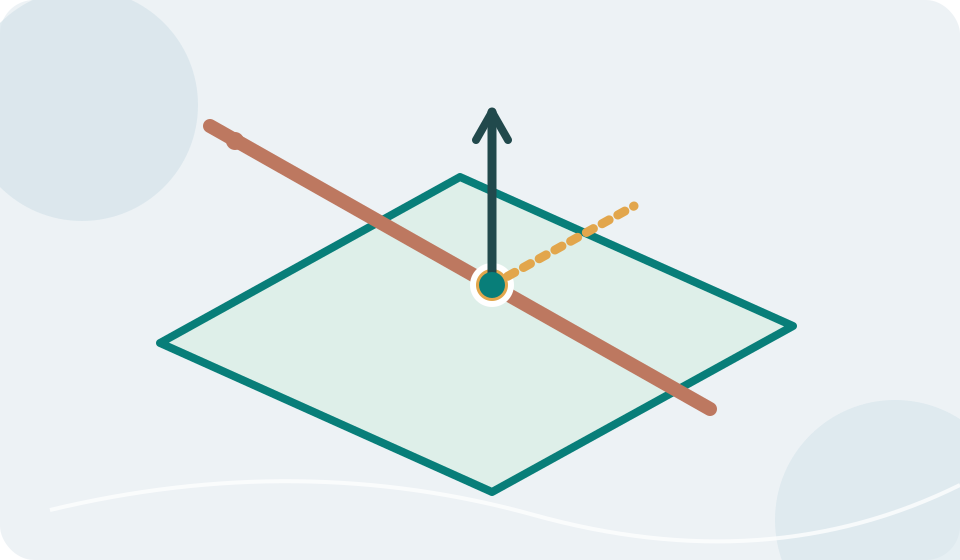
How to Find a 3D Line–Plane Intersection
Parameterize a 3D line, substitute it into a plane equation, and distinguish a unique intersection from parallel cases.
Read article
3D Manhattan Distance: The City-Block Metric
Add absolute x, y, and z changes to measure axis-aligned travel, and compare this city-block distance with a direct 3D route.
Read article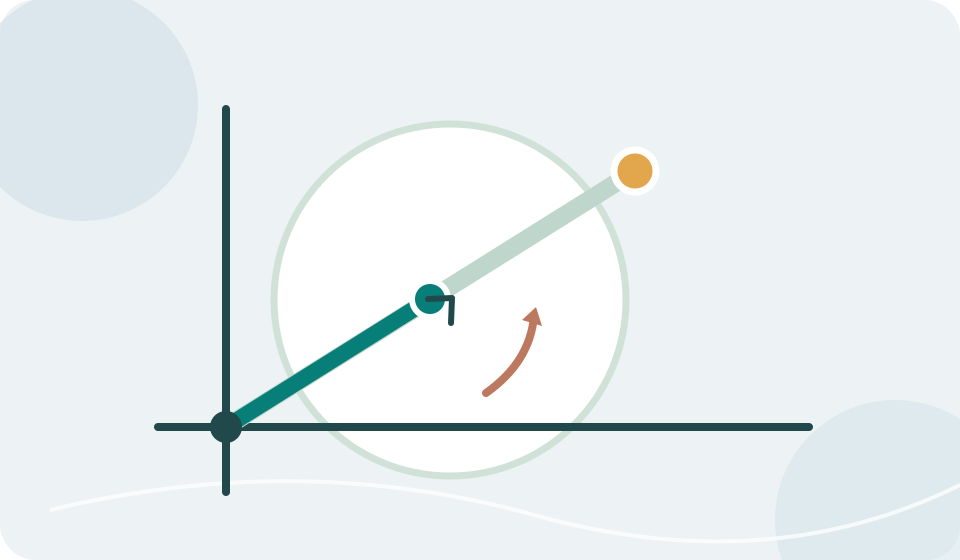
How to Normalize a 3D Vector
Divide a nonzero vector by its magnitude to keep its direction while setting its length to one.
Read article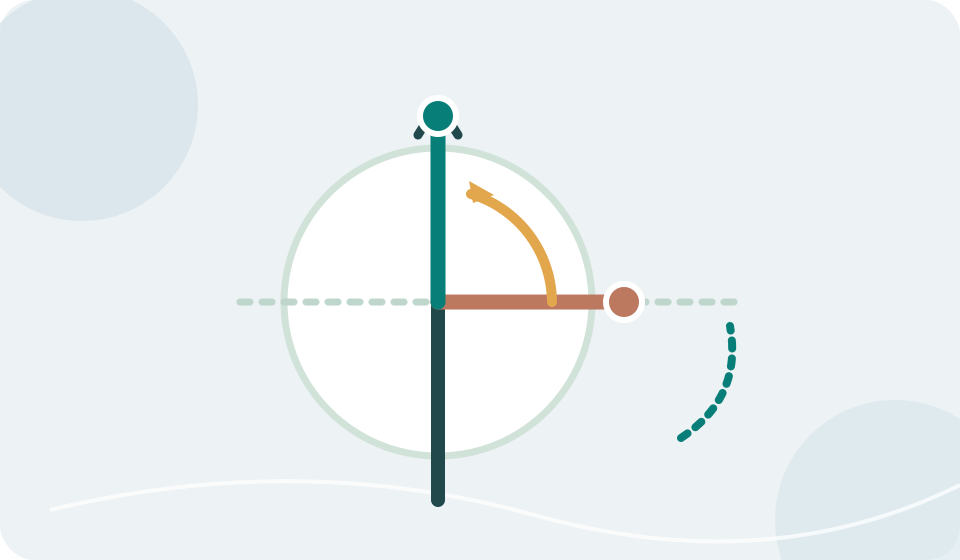
Rotate a 3D Vector Around an Axis: Rodrigues’ Formula
Rotate a vector about a nonzero 3D axis with Rodrigues’ formula, using degrees and the right-hand rule.
Read article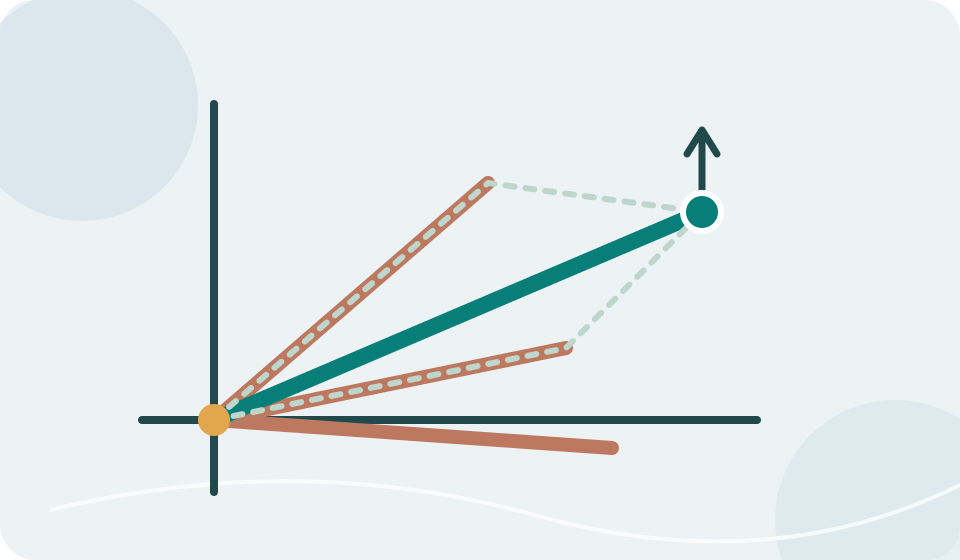
3D Vector Cross Product: Components, Direction, and Magnitude
Calculate u × v component by component, use the right-hand rule, and interpret the result as an oriented area vector.
Read article
3D Dot Product: Components, Angles, and Projection
Add paired component products to measure alignment, test perpendicularity, and connect the scalar result to projection.
Read article
Linear Interpolation Between 3D Points: The Role of t
Use p(t)=a+t(b−a) to locate a 3D point between two endpoints or extrapolate beyond them when t falls outside 0–1.
Read article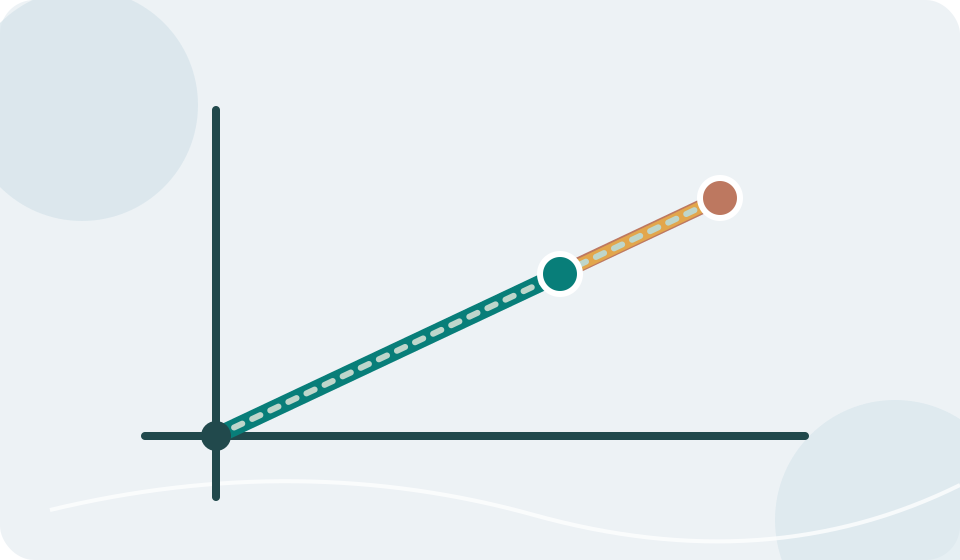
Vector Projection in 3D: Find the Component Along v
Project u onto a nonzero direction v, interpret the signed scale factor, and check the perpendicular remainder.
Read article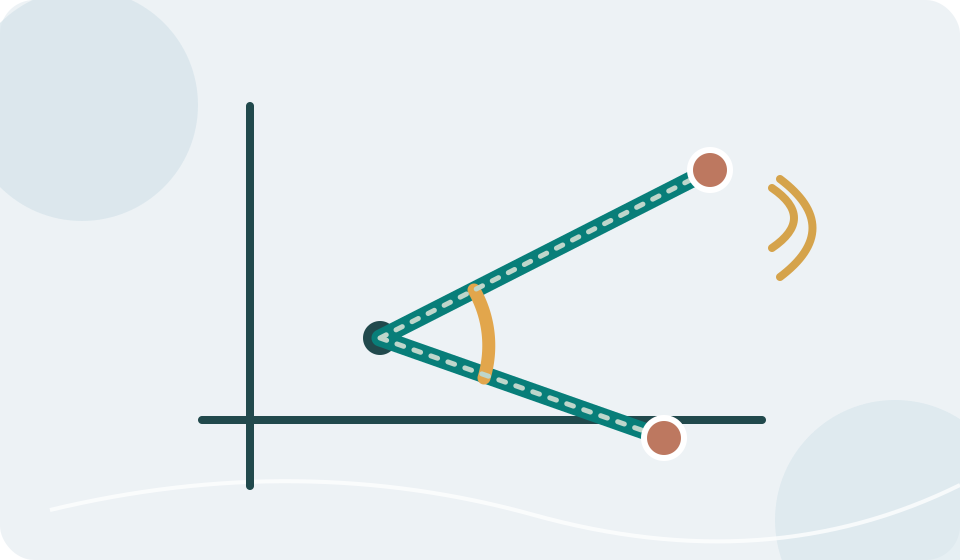
Angle Between 3D Vectors: Dot Product, Units, and Checks
Find the smaller angle between nonzero 3D vectors with the normalized dot product and verify degrees and radians.
Read article
Circle Arc Length: How Radius and Angle Set the Curve Distance
Calculate the distance along a circular arc from its radius and central angle, with degree conversion, practical checks, and the difference from a straight chord.
Read article