Quality control calculator guides
Explore 47 practical guides with worked examples, clear assumptions, and direct links to the calculators they explain.
Showing 13–24 of 47 articles

FMEA Risk Priority Number: Multiply Severity, Occurrence, and Detection
Calculate the classical FMEA risk priority number and understand why the product of three ratings is a screening aid, not a universal ranking rule.
Read article
Cost of Quality: Add Prevention, Appraisal, and Failure Costs
Sum prevention, appraisal, internal failure, and external failure costs, then compare that same-period total with sales when available.
Read article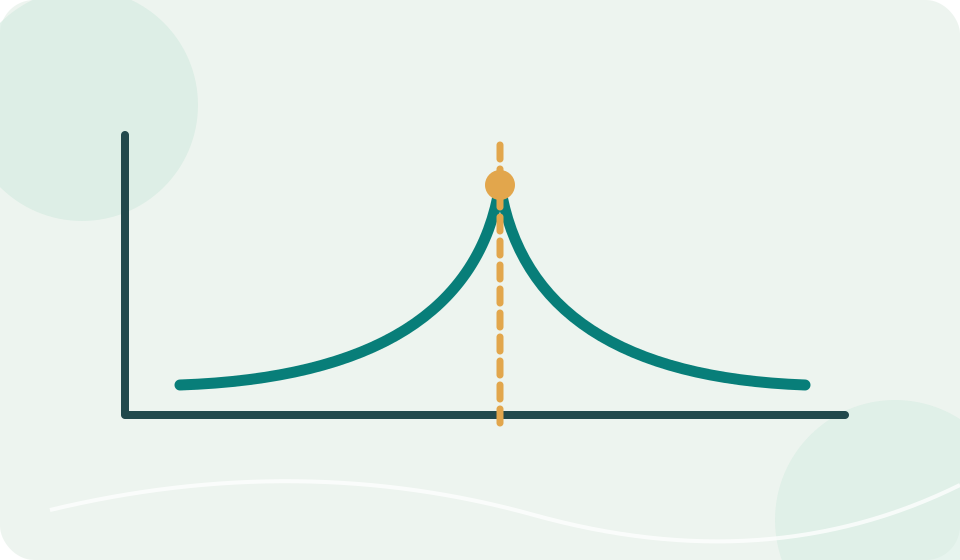
Taguchi Quality Loss: Estimate Quadratic Loss from Target Deviation
Estimate per-item and batch loss under a nominal-the-best quadratic model using a stated tolerance deviation and loss at its boundary.
Read article
Supplier Corrective Action First Response Time: Calculate the Average
Average elapsed calendar days to a substantive first response across a defined set of supplier corrective-action requests.
Read article
Manufacturing Batch Quality-Hold Rate: Use Final Disposition as the Cohort
Calculate the share of finally dispositioned manufacturing batches that were placed on at least one quality hold.
Read article
CAPA On-Time Closure Rate: Measure Actions Due in a Cohort
Calculate the percentage of CAPA actions closed on or before their effective due date among actions due in a defined cohort.
Read article
Calibration Overdue Equipment-Hour Share: Measure Exposure
Measure the share of monitored operating hours that occurred after equipment reached its calibration due point.
Read article
Matrix Spike Recovery: Compare the Recovered Spike with the Added Amount
Calculate analytical matrix-spike recovery from spiked and unspiked sample results and the known spike amount.
Read article
Supplier Lot Acceptance Rate: Read Final Inspection Decisions
Calculate the share of supplier lots accepted after final incoming inspection, and keep the lot-level rate separate from unit defect rates and sampling-plan probabilities.
Read article
Recurring Nonconformance Rate: Use Completed Follow-Up Windows
Measure eligible closed cases with a qualifying recurrence after the follow-up window has elapsed, using one consistent case definition and observation period.
Read article
Calibration Check Pass Rate: Count Results Within Tolerance
Calculate the share of completed calibration checks that meet their procedure’s acceptance limits, without confusing the rate with accuracy or traceability.
Read article
Combined Measurement Uncertainty: How to Combine Standard Components
Combine independent standard uncertainty components with root-sum-square, apply a chosen coverage factor, and understand what the result does and does not represent.
Read article