Engineering calculator guides
Explore 54 practical guides with worked examples, clear assumptions, and direct links to the calculators they explain.
Showing 25–36 of 54 articles
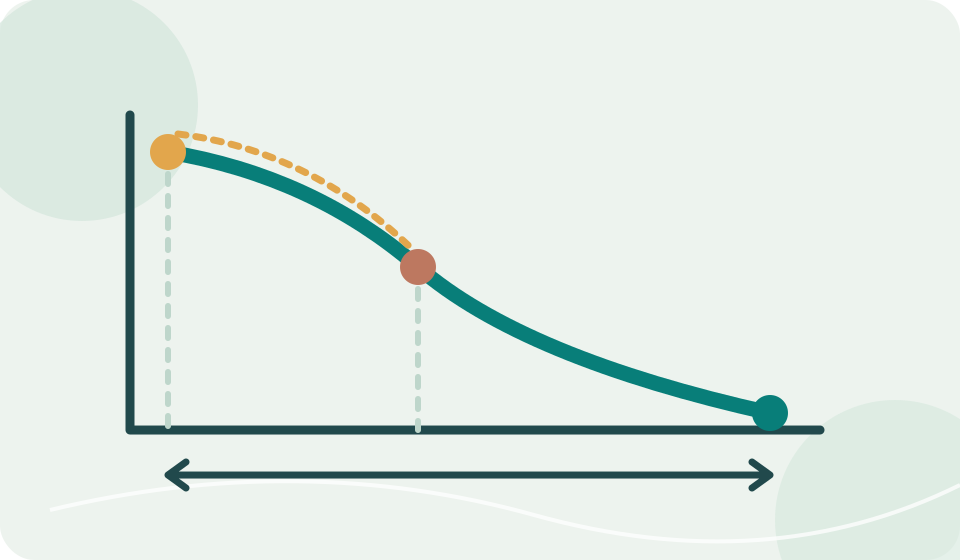
Euler Buckling Load for Slender Columns
Estimate the ideal elastic critical load from Young’s modulus, second moment of area, physical unsupported length, and effective-length factor.
Read article
Torsional Shear Stress in a Solid Shaft
Estimate the maximum elastic shear stress at a solid circular shaft’s surface from torque and diameter, then check how diameter changes the result.
Read article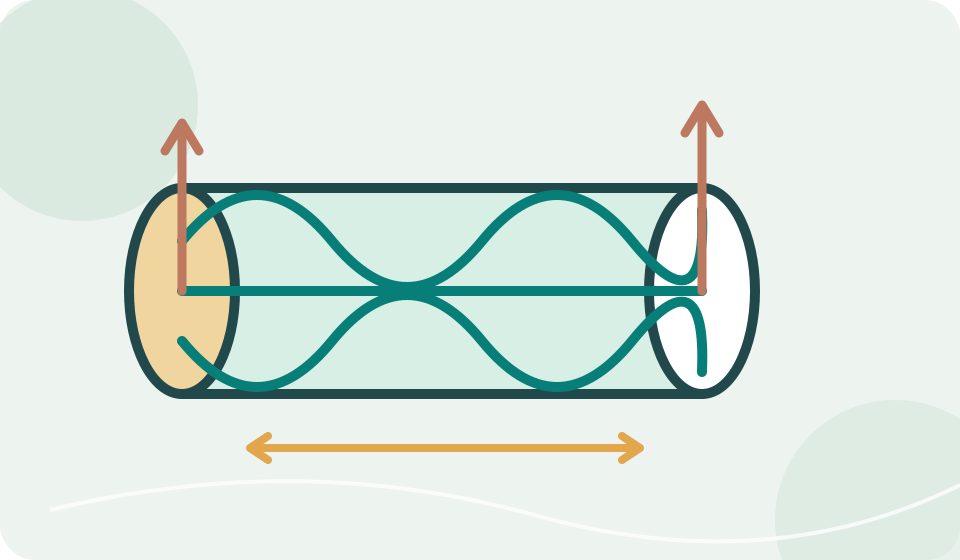
Angle of Twist for a Solid Circular Shaft
Estimate elastic angular twist from shaft torque, length, shear modulus, and diameter, with degree conversion and the uniform-shaft assumptions made explicit.
Read article
Shaft Torque from Power and Rotational Speed
Convert steady mechanical power and shaft speed into torque magnitude, with the rpm-to-angular-speed conversion and transmission-loss boundary explained.
Read article
Mechanical Power from Shaft Torque and RPM
Calculate steady mechanical power from torque and rotational speed, then interpret the shaft result without confusing it with electrical input or delivered power.
Read article
Belt Speed from Pulley Diameter and RPM
Estimate ideal belt linear speed from the driving pulley’s effective pitch diameter and rotational speed, with no-slip assumptions and units made explicit.
Read article
555 Astable Oscillator Timing: Frequency and Duty Cycle
Calculate the frequency, high time, and duty cycle of a two-resistor 555 oscillator from RA, RB, and the timing capacitor.
Read article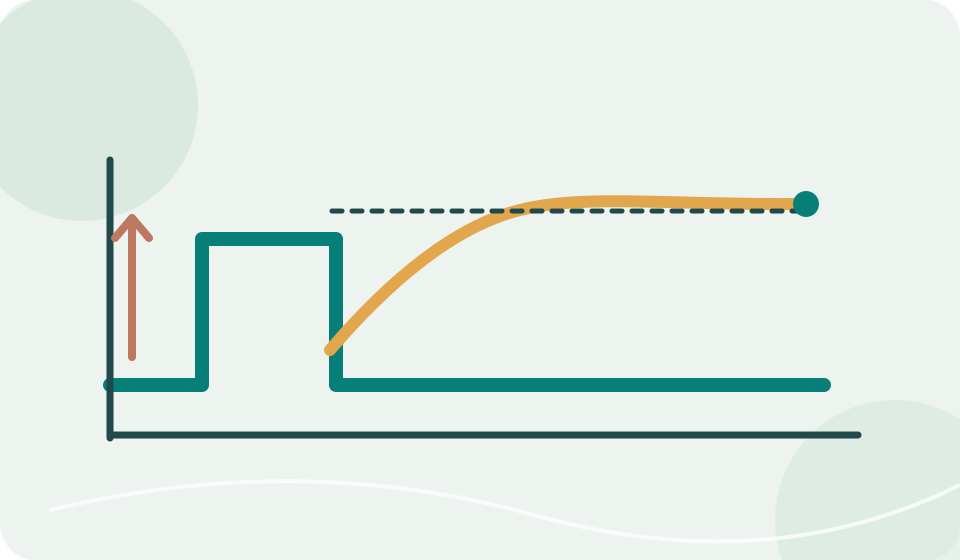
555 Monostable Pulse Duration: Timing a One-Shot
Estimate a 555 one-shot pulse from its timing resistor and capacitor, with the RC threshold behavior and practical limits explained.
Read article
BJT Transconductance: How Collector Current Sets Small-Signal Gain
Convert collector bias current and junction temperature into the local BJT transconductance gm.
Read article
BJT Base Resistor: Size a Switching Transistor Drive
Estimate a series base resistor from the drive voltage, assumed base-emitter drop, collector target, and forced current ratio.
Read article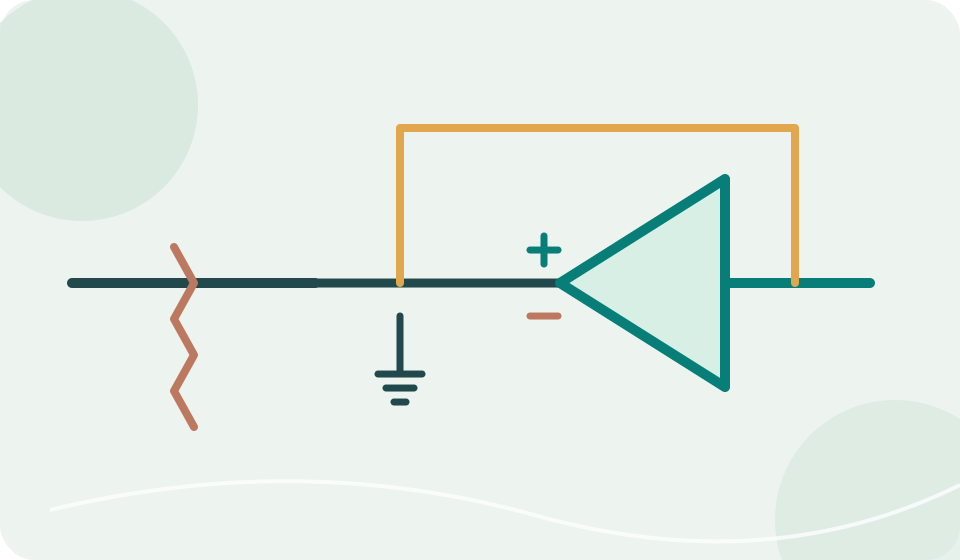
Inverting Op-Amp Gain: Resistor Ratio, Sign, and Output Limits
Calculate the ideal inverted output from the input voltage and the feedback-to-input resistance ratio.
Read article
Noninverting Op-Amp Gain: Feedback Ratio and Output Headroom
Estimate the in-phase closed-loop output from the input voltage and two feedback resistors.
Read article