Engineering calculator guides
Explore 54 practical guides with worked examples, clear assumptions, and direct links to the calculators they explain.
Showing 13–24 of 54 articles
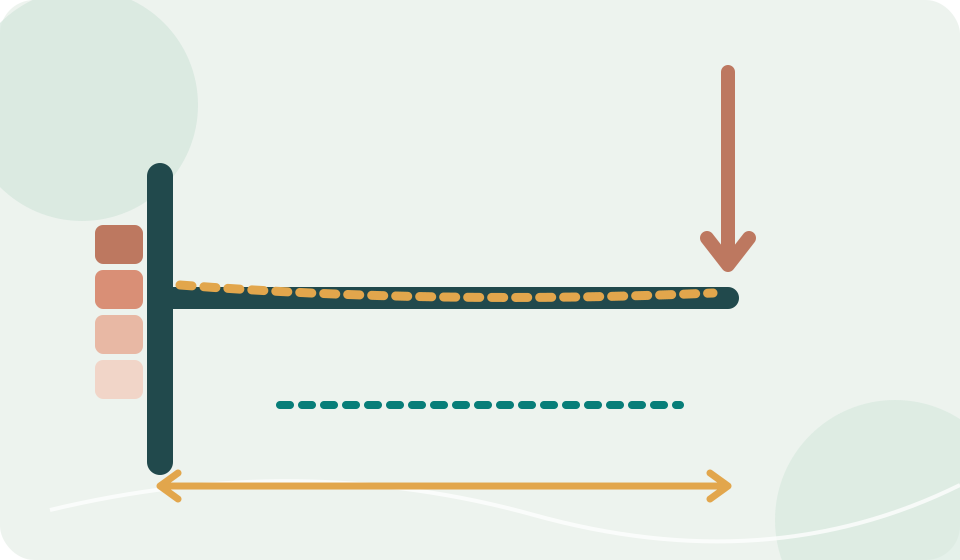
Cantilever Root Bending Stress from a Tip Load
Estimate the elastic bending stress at a cantilever root from an end load and the section modulus for the bending axis.
Read article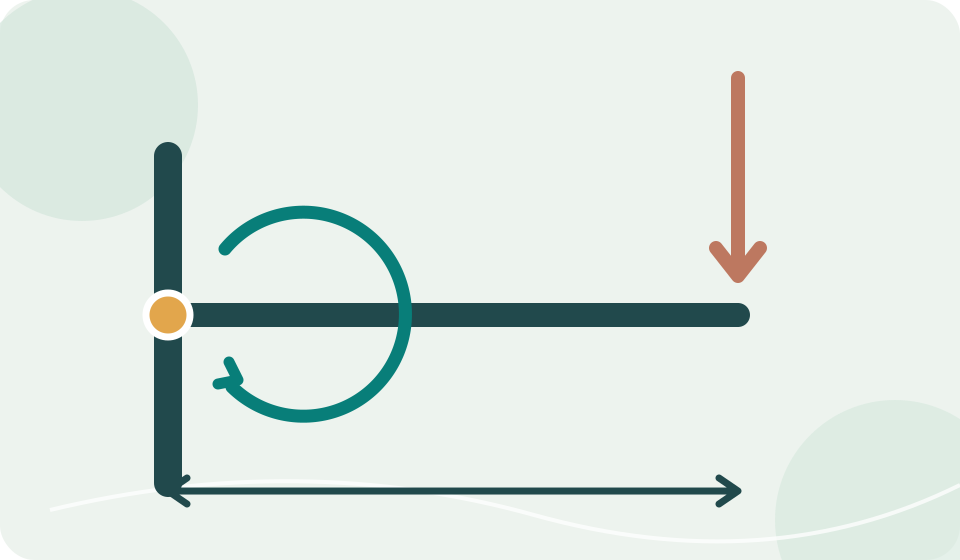
Cantilever Root Moment from a Tip Load
Find the maximum root bending moment for a cantilever carrying a point load at its free end, with units checked step by step.
Read article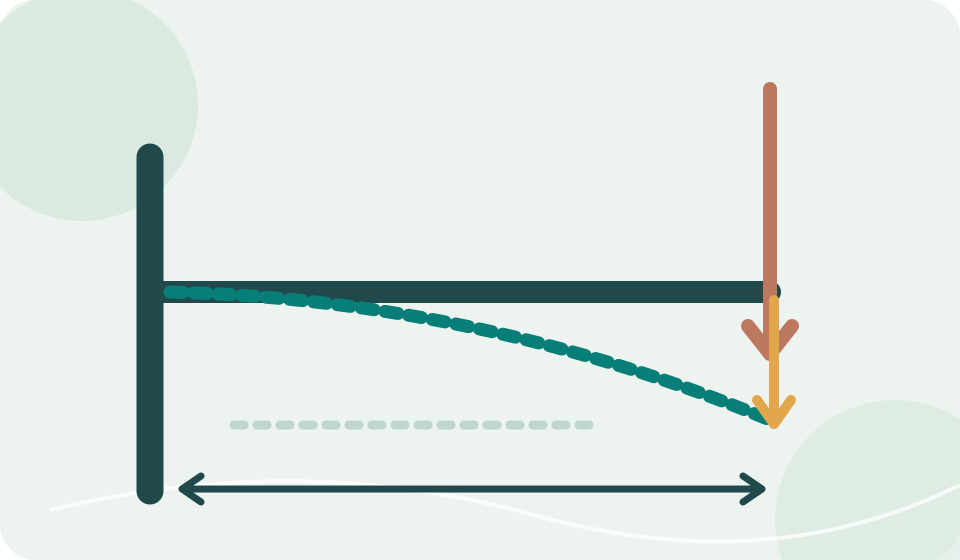
Cantilever Tip Deflection from an End Load
Estimate the free-end movement of an ideal cantilever under a point load and track the effects of length, stiffness, and units.
Read article
Normal Stress: Force Divided by Cross-Sectional Area
Calculate average axial stress from force and area, convert units correctly, and see what the result does and does not describe.
Read article
Young’s Modulus from Stress and Strain
Estimate Young’s modulus from axial force, area, original length, and length change, with unit and linear-elastic assumptions made explicit.
Read article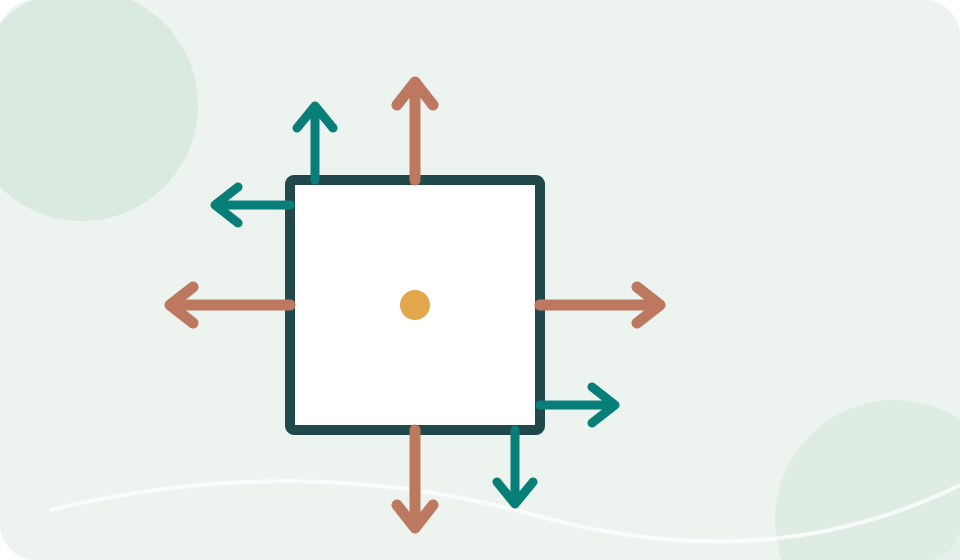
Plane-Stress von Mises Equivalent Stress
Combine two in-plane normal stresses and one shear stress into the plane-stress von Mises equivalent value, with assumptions and limits explained.
Read article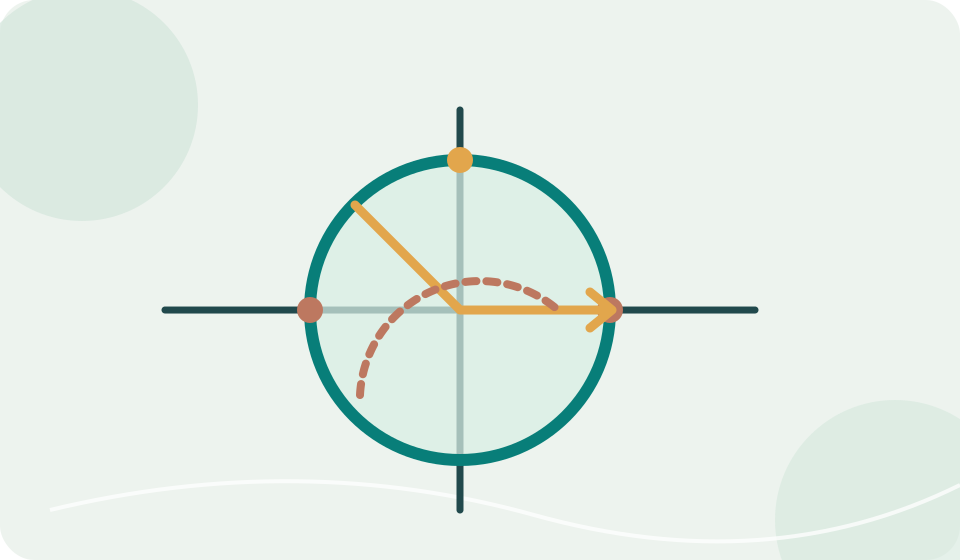
Principal Stresses and Directions in Plane Stress
Find the major and minor principal stresses, their orientation, and maximum in-plane shear from a consistent set of plane-stress components.
Read article
Elastic Strain Energy from Stress, Strain, and Volume
Estimate stored elastic energy from uniform uniaxial stress and strain, with unit conversions and the linear-response assumption shown.
Read article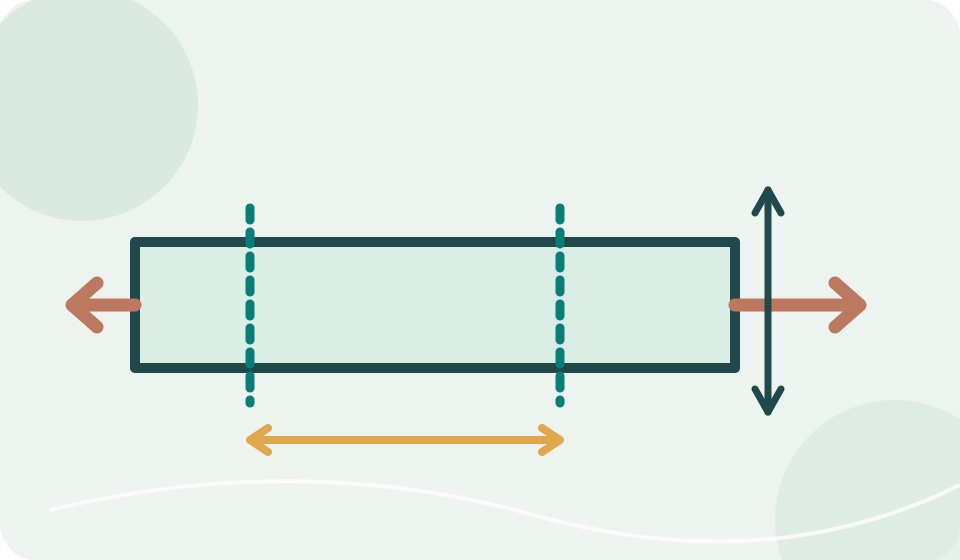
Axial Member Elongation Under Load
Estimate the elastic extension of a straight member from axial force, length, modulus, and cross-sectional area, with units and limits checked.
Read article
Axial Stiffness from Force and Extension
Interpret the calculator’s EA/L axial stiffness using measured force, section area, original length, and extension, including its secant-stiffness limits.
Read article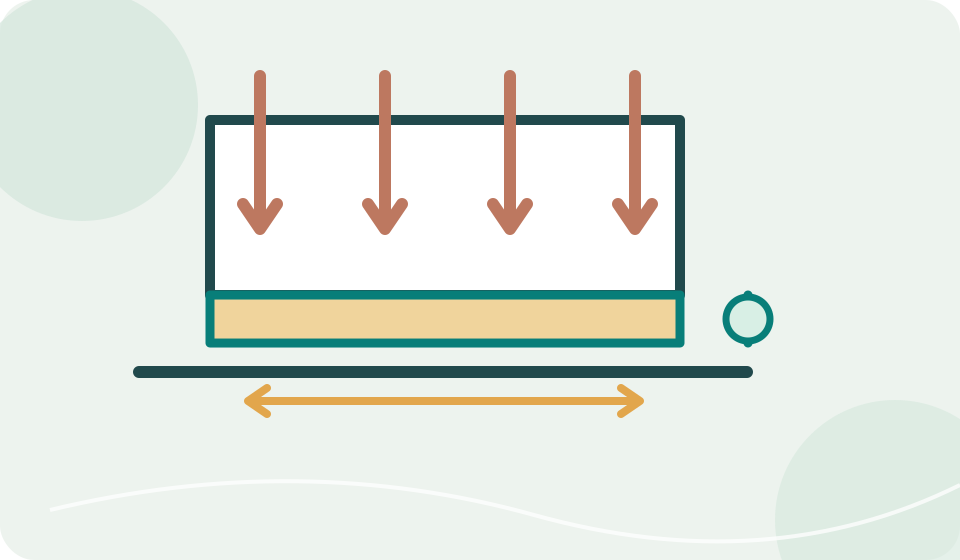
Bearing Pressure from Load and Contact Area
Convert a compressive load and contact area into average bearing pressure, then distinguish that average from local contact stress and allowable capacity.
Read article
Column Slenderness Ratio and Effective Length
Calculate KL/r from unsupported length, effective-length factor, and radius of gyration, then interpret the ratio without treating it as a capacity check.
Read article